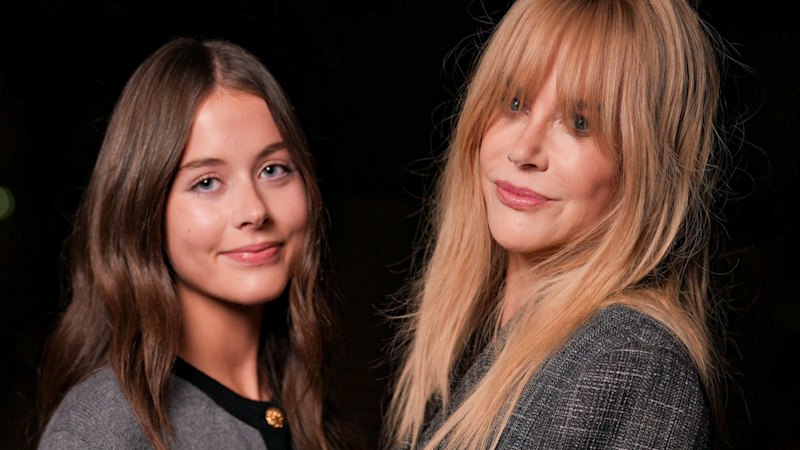

With Hiraya Ventures, the challenge is building something new and exciting while staying true to our ‘why’. Supporting founders in a meaningful way and being part of an active, supportive ecosystem makes a big difference.
What opportunities do you see in 2026?
I’m genuinely optimistic about 2026. NZ is no longer just a place to start companies, it’s a place to scale them globally. There’s a clear opportunity to back Kiwi founders with traction offshore and help unlock their next phase of growth. At Hiraya, we do that by pairing capital with hands-on support and experience, helping founders build global companies from Aotearoa.
How are you using AI to change your business?
At Kami, we’re very intentional about how we use AI. The focus is on solving real problems in the classroom by saving teachers time, improving learning outcomes, and making everyday tasks easier. The goal isn’t to replace teachers, but to support and strengthen what they already do best. Internally, we’re also helping our team use AI in practical, responsible ways to work more efficiently day to day.
What will the key election issue be in 2026 and why?
One thing that’s top of mind for me is how New Zealand continues to support investment and innovation. When we create an environment where innovative, globally minded businesses can thrive, the benefits naturally flow back through jobs, skills and reinvestment at home. Supporting export-led, high-growth companies over the long term will be key for enabling sustainable economic growth.
How do you think the New Zealand economy will perform in 2026?
It’s been a challenging period for many businesses, but there’s also a lot of quiet optimism among Kiwi founders and entrepreneurs. The focus now is on turning strong ideas into global success stories. We’re seeing a real shift – from proving we can build great companies here in New Zealand, to scaling them into serious global players. Continued investment in innovation will be key to a stronger, more resilient economy in 2026.
What’s the worst mistake you have made in business and what did you learn from it?
Early on, my co-founders and I didn’t go after a big-enough market. We focused too heavily on NZ, and on schools and universities only. This gave us valuable early learnings, but limited how we thought about scale. Once we made the decision to focus on the US, everything changed. We found strong product–market fit and saw the true potential of what Kami could become for educators and students. It taught me to think bigger, earlier – advice I now share often with founders starting out.
What would you rate as your greatest success?
Balancing motherhood while growing a business through a pandemic would be right up there. Becoming a parent shifts your perspective, and navigating that alongside building a company is both challenging and grounding. Beyond that, building Kami into a platform used by tens of millions of educators and students around the world is something I’m incredibly proud of. Being named New Zealand’s fastest-growing company in 2021 (Deloitte Fast 50 Index) was a standout moment, especially seeing the pride and energy across the team.
Where and how are you holidaying this summer?
I will be spending summer in the South Island with the whole family. I’m looking forward to switching off a bit, spending more time outdoors, and hopefully picking up a new sport or two. And finally building some Lego.
What would you recommend as a good book/podcast to read/listen to over summer?
For anyone interested in investing, I’d recommend Friends That Invest. Both the book and the podcast are easy to follow, practical, and supported by a great online community that makes learning feel fun and accessible.
- Stay ahead with the latest market moves, corporate updates, and economic insights by subscribing to our Business newsletter – your essential weekly round-up of all the business news you need.