

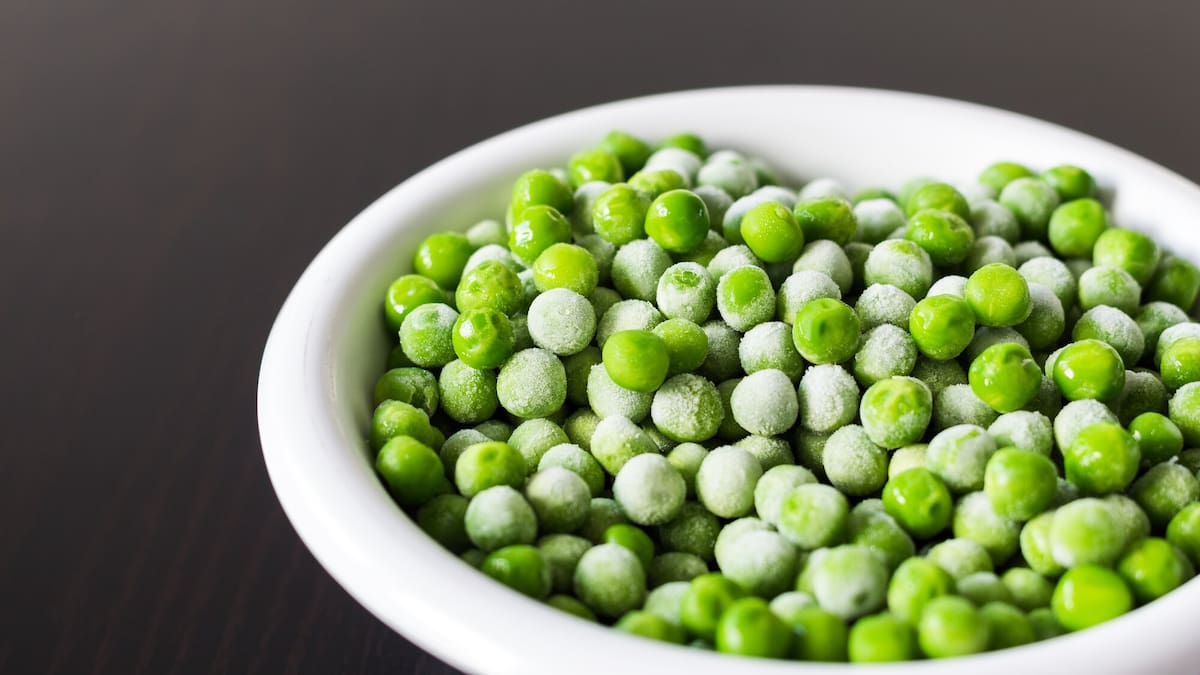
“Water-soluble nutrients like vitamin C and folate are sensitive to heat, light and water,” says dietitian Lily Henderson. “Although these nutrients can decline over time, most research shows nutrient levels are broadly similar between fresh and frozen vegetables.”
In other words, the bag of peas in your freezer isn’t the nutritional compromise many assume it to be.
Spinach is a freezer star
If there’s one vegetable that demonstrates the case for frozen, it’s spinach. Fresh spinach can lose nutrients relatively quickly when it’s been sitting in the fridge for several days. Frozen spinach, on the other hand, is typically processed at peak ripeness and then locked into that state.
“Spinach retains up to 90% of its vitamins when frozen,” says Henderson. “It’s also more densely packed, so you can add a significant nutritional boost to meals like omelettes, pasta sauces or smoothies without needing a huge volume.”
That density and convenience can make frozen vegetables particularly useful for busy households. No chopping, no peeling and no pressure to use them before they wilt. You simply take what you need and return the rest to the freezer.
That last point matters more than many people think. According to the 2023 Rabobank New Zealand Food Waste Survey, vegetables, fruit and leftovers are among the most commonly discarded foods in Kiwi households. Keeping frozen vegetables on hand can help ensure more of what you buy actually gets eaten.
Fresh still has its place
This isn’t a call to abandon fresh produce. Some vegetables are unquestionably better bought fresh – both nutritionally and practically.
“Vegetables with a high water content like lettuce, tomato and cucumber don’t freeze well,” says Sekula. “They’re best for crunch and texture in salads, wraps and sandwiches.” And taste-wise, most fresh veg still has the edge.
Frozen vegetables tend to soften when cooked, which makes them ideal for stir-fries, soups, curries and casseroles, but less appealing in dishes where crisp texture is the point. A well-stocked kitchen usually benefits from a mix of both.

The cooking method matters
Whether vegetables are fresh or frozen, how you cook them can have a bigger impact on nutrients than how they have been stored.
Some vitamins are sensitive to heat and water, which means long boiling times can cause nutrients to leach into cooking water. Shorter cooking methods that use less water – steaming, microwaving or quick stir-frying – generally retain more nutrients.
“After the initial blanching step, frozen vegetables tend to hold their nutrient levels quite well,” says Henderson. “Fresh vegetables can continue to lose nutrients during storage and cooking, so the way they’re prepared matters for both.”
A simple tweak can make a difference. Using minimal water, avoiding over-boiling and cooking vegetables only until tender rather than soft can help preserve more of what you’re trying to eat them for.
Budget and accessibility
The fresh versus frozen debate also needs to be viewed in the context of how many vegetables people are actually eating. According to the latest New Zealand Health Survey (2024/25), only 6.8% of adults and 5.8% of children are meeting the recommended daily vegetable intake.
Cost is one of the most commonly cited barriers. Frozen vegetables can offer a practical way to keep vegetables on the menu year-round without worrying about spoilage or seasonal price spikes.
“The cost of fresh vegetables is a key barrier for many families,” says Sekula. “Frozen vegetables can be a smart, budget-friendly way to keep vegetables on the menu all year round, and because they last longer, you’re less likely to throw them away.”
They can also make it easier to expand the variety of plants in your diet – something increasingly linked with gut and overall health.

What to look for in the freezer aisle
Not all frozen vegetables are created equal, but the best choices are usually simple.
Check the ingredient list. Ideally, it should list just the vegetable itself. Some frozen mixes come with added sauces, salt or flavourings, which can significantly increase sodium levels.
“If you’re buying mixed or seasoned vegetables, it’s worth checking the sodium content and looking for added ingredients,” says Henderson. “Plain frozen vegetables are typically the most versatile option.”
If freezer space is limited, a few staples can go a long way. Mixed vegetables, peas, corn, green beans and edamame all offer versatility, affordability and solid nutritional value. They can be added to everything from pasta and stir-fries to soups and salads.
The idea that frozen vegetables are nutritionally inferior is one of the most persistent myths in the produce aisle. In reality, both fresh and frozen vegetables have a place in a healthy diet.
The most important thing is simply eating enough vegetables in whatever form works for your routine, budget and cooking habits.
“Frozen options can make that easier, especially on busy days or when fresh produce is expensive or out of season,” says Henderson.
If the choice is between perfectly fresh produce that ends up in the bin and a bag of frozen vegetables that actually gets eaten, the freezer might just be the better option.
Herald contributor Nikki Birrell has worked in food and travel publishing for nearly 20 years. From managing your kitchen to cutting costs, she’s shared some helpful advice recently, including how to prep your barbecue for summer grilling, gourmet hacks for elevating budget ingredients and what toppings to choose for different crackers.


