You have reached your maximum number of saved items.
Remove items from your saved list to add more.
Save this article for later
Add articles to your saved list and come back to them anytime.
In an endless scroll of filtered, gravity-defying faces, New Zealand actor and TV presenter Rebecca Gibney has fought back in an Instagram post.
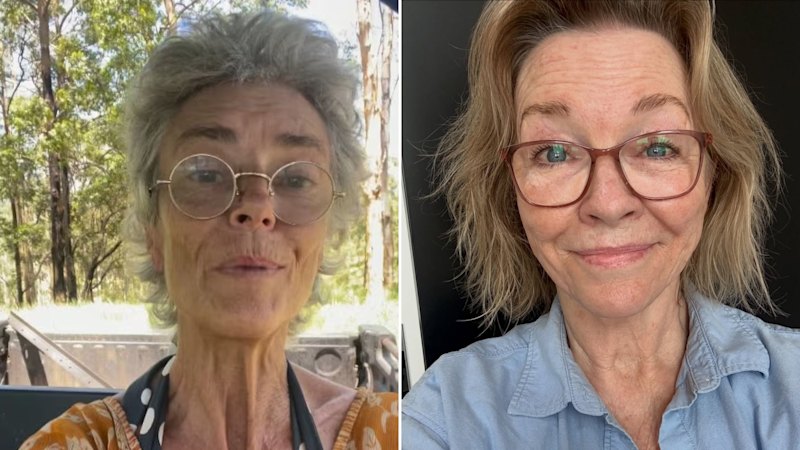
“Scrolling thru social media all I see is bad news, AI rubbish or perfect photoshopped lives. Then I came to images of @rachelwardofficial and I breathed a sigh of relief,” the 61-year-old wrote yesterday morning.
“I thought I might add my unfiltered sun damaged face and my funny old cowl lick fringe and fine over processed hair to the mix.”
Gibney, of course, is referring to the online vitriol fellow actor Rachel Ward faced in December, after posting a video of herself – sans make-up or filters – on her farm in northern NSW.
While some online commenters praised 68-year-old Ward’s authentic and unapologetic approach to ageing, others were critical.
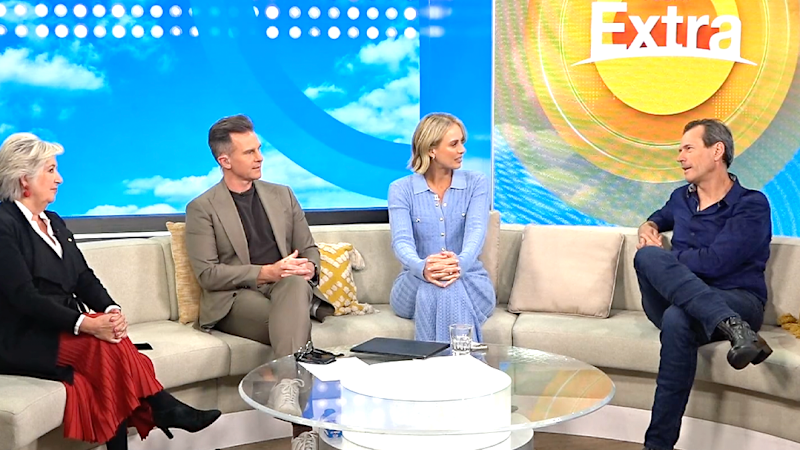
Speaking of the response on Mamamia’s podcast No Filter yesterday, Ward suggested: “I don’t think it was really about me. I think I was a catalyst for a conversation people were wanting to have.
“I think people have a fear of getting older, because women become very invisible as they get older, and if they aren’t able to rest on the glory of their youth and their beauty and their sexuality, where are they? Who are they?”
Home and Away actor Debra Lawrance followed suit with a selfie captioned: “My 69 year old face au naturel. Changing the algorithm one pic at a time. Let’s do this ladies.”
Professor Gemma Sharp, of Adelaide University’s School of Psychology, says people are living longer and are expected to look “good” for a longer period of time. “Now, you’re meant to stop ageing around your mid-twenties.”
One need only look to celebrities such as Kris Jenner (70), Demi Moore (63) and Nicole Kidman (58) to see the smooth faces women are, increasingly, expected to present.
Sharp suggests that the “visceral reactions” of many on seeing women age naturally may come from a sense of betrayal among those who have internalised beauty ideals.
“They’re going, ‘well, how come you’re allowed to not adhere to the beauty standards that I’ve spent all this money, time and effort, pain – you name it – on?’”
While she says the reasons people undergo cosmetic treatments are multifaceted, “comparing themselves to peers and celebrities often play a role in some form”.
“It’s how we judge where we are in the appearance stakes, and we know that people, particularly women aged 35 to 50 are big consumers of cosmetic interventions.”
While Sharp says posts from figures such as Gibney and Ward are well intentioned, successfully dismantling a youth-obsessed culture needs to come from a co-ordinated, concerted push from all levels of society towards valuing our elders, citing cultures such as Japan.
“It’s not just about appearance. It would need to have support from employers and all places we see age discrimination.”
Make the most of your health, relationships, fitness and nutrition with our Live Well newsletter. Get it in your inbox every Monday.
You have reached your maximum number of saved items.
Remove items from your saved list to add more.