
You have reached your maximum number of saved items.
Remove items from your saved list to add more.
On Saturday, a man drove a van into a crowd at Tiergarten park in my new home city of Berlin during its annual Pride celebrations, killing a woman and injuring 29 others. The Islamic State-linked attack was a devastating shock to me, my loved ones and to this entire open-minded city. From the first time I visited Berlin in the summer of 2017, it felt like a place that embodied the meaning of Pride: to simply be as you are, and to do what you want with who you choose.
Being queer isn’t always easy, as I was reminded soon after I moved here from Melbourne to be with my fiance. That realisation came via a message from a closeted 22-year-old Serbian on Instagram. He said he knew it was random, but he’d been imagining a visit to Berlin and said he was loving the updates of my “exciting life”.
Compared to some messages that I get on Instagram, this one was refreshingly quirky and wholesome. What really caught my attention was his “daydreaming about Berlin”. I myself had been doing this since I was 19, and was just coming to terms with how lucky I was to finally be here.
Oskar – as I will call him for the sake of anonymity – told me he splits his time between his native Serbia and university studies in Romania and wasn’t out to his family, or society at large. He said he had few fond memories of his formative years in Serbia and still suffers panic attacks when crossing the border to his homeland between semesters.
It was during one of these border crossings that, at 21, Oskar came out to his mother. She is so far the only member of his family with whom he has shared this secret, and it may likely stay that way.
A 2025 study conducted by LGBTQ+ advocacy group ILGA-Europe found that the Pride Info Centre in Belgrade had endured more than 20 physical attacks since 2018. None of these incidents were prosecuted by authorities, and the centre permanently closed in 2024. Throw in a constitutional ban on same-sex partnerships and it’s little surprise that Oskar “more or less suppressed all memories of my earlier life”.
My own early years, growing up between Australia and England, were less vulnerable to persecution. But, like Oskar, I did obscure my true identity as a teenager. When I was eight, I moved to a picture-perfect town in Devon, nestled along the rolling green coastline of the southern British countryside.
The population wasn’t exactly diverse. Many of the residents were young families or retirees, meaning I had no queer peers to guide me through the peculiar feelings I started having at the age of 11. I was growing up in a place where being different wasn’t necessarily bad – it was just extremely obvious. I’ll avoid a direct comparison to Little Britain’s “only gay in the village” skit, but you’re welcome to draw the comparison.
So I pushed myself into denial and ignored the feeling that I might, actually, like boys. Until the age of 15, I tried to get a girlfriend as I figured the best way to fit in was by being straight.
It was during a visit home to Perth that, at 16, I lost my virginity to another man. That was my lightning-rod moment. I knew, undeniably, I was gay and had done the right thing. In the years since, I have very deliberately connected with other queer people. This has been a kind of reclamation, a second chance to learn from the experiences of queer folk that I had missed as a confused, closeted teenager.
I had never intended to be a role model to others. There was no agenda behind my openly queer life in Berlin, or being out as a young adult in Australia. It was just who I was and what I wanted. Members of the gay community are conditioned to believe that same-sex activism or queer liberation needs to begin with a grand display of flag-waving protests and chanting in the streets. It has been profound for me to realise that the everyday reality of sharing my home with someone I love, of following my dreams without fear of having to “fit in”, has its own value.
Without planning it, I had offered Oskar a window to a possible future life for him. Oskar has, in turn, reminded me how my own messy, complicated life was following the right direction. And what’s more, I made a friend.
I wish that when I was 11, I could have known about those possibilities. That how I felt was normal. That there was happy future ahead for someone who didn’t feel like they fit in with the expectations of a postcard village.
I remain grateful for the freedom I have to be myself, yet a deadly attack like this at the heart of Berlin’s queer community is a painful reminder of the trauma and oppression that many experience across the world every day simply for being our true selves.
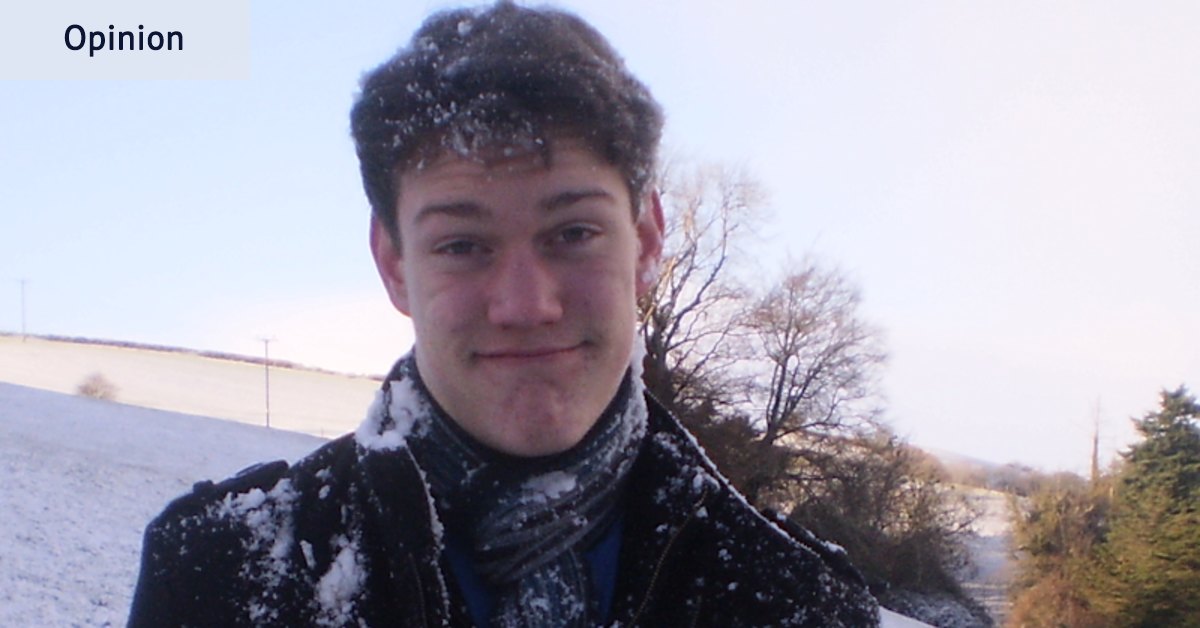
Liam Heitmann-Ryce-LeMercier is a freelance writer and classical music critic.
The Opinion newsletter is a weekly wrap of views that will challenge, champion and inform your own. Sign up here.
You have reached your maximum number of saved items.
Remove items from your saved list to add more.