
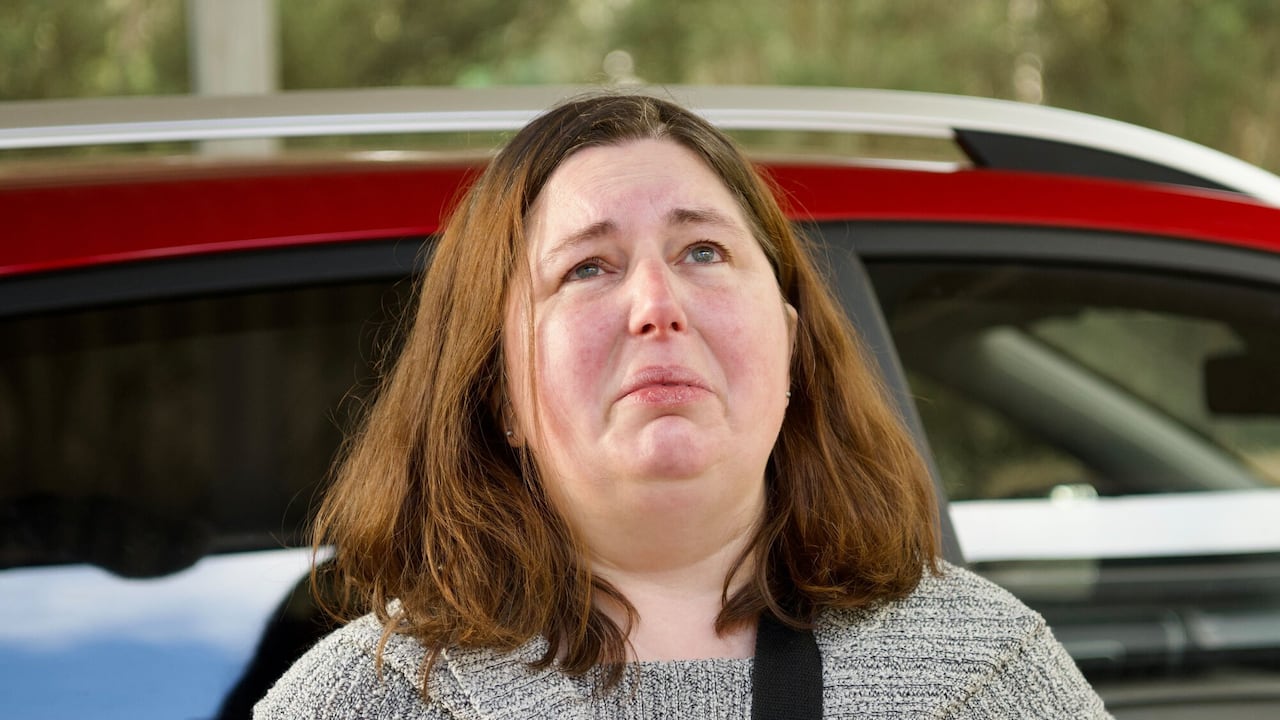
She has asked to watch the appeal by live video link from her prison, the maximum-security Dame Phyllis Frost Centre in Melbourne’s western suburbs.
Patterson claims she suffered several counts of “substantial miscarriage of justice” because the trial judge erred in deciding what evidence could be presented.
Some evidence accepted by the judge – relating to Facebook messages, cell towers and posts of death cap mushroom sightings – was not relevant or unfairly prejudicial to her case, her lawyer said.
‘Fatally undermined’
Other evidence about mushroom images on a memory card in Patterson’s home was wrongly excluded, the lawyer said in an appeal submission in November last year.
A “fundamental irregularity” also took place while the jury was sequestered that “fatally undermined the integrity of the verdicts”, he argued, without giving further details.
Patterson’s solicitor additionally accused the prosecution of an “unfair and oppressive” cross-examination during the trial.
Before listening to the arguments in detail, the Court of Appeal judges must decide whether the grounds justify granting Patterson leave to challenge her conviction at all.
On the other side, the prosecution has appealed against Patterson’s sentence, saying the non-parole period of 33 years imposed by the judge was “manifestly inadequate”.
The judge erred in finding there was a substantial chance Patterson would be held in solitary confinement for years to come, and this “infected” his decision, the prosecution argued.
A 12-person jury found Patterson guilty in July last year of murdering her husband Simon’s parents, Don and Gail Patterson, as well as his aunt, Heather Wilkinson, at her home in the Victorian farming village of Leongatha.
She was also found guilty of attempting to murder Heather’s husband Ian, a pastor who fell gravely ill but eventually recovered.
– AFP