Australians have reacted with shock and disappointment following the news that two Malaysian nationals currently incarcerated at Guantanamo Bay Detention Camp in Cuba, and suspected of being involved in the 2002 Bali Bombing, have reached plea agreements that could allow them to go home to Malaysia as early as next year.
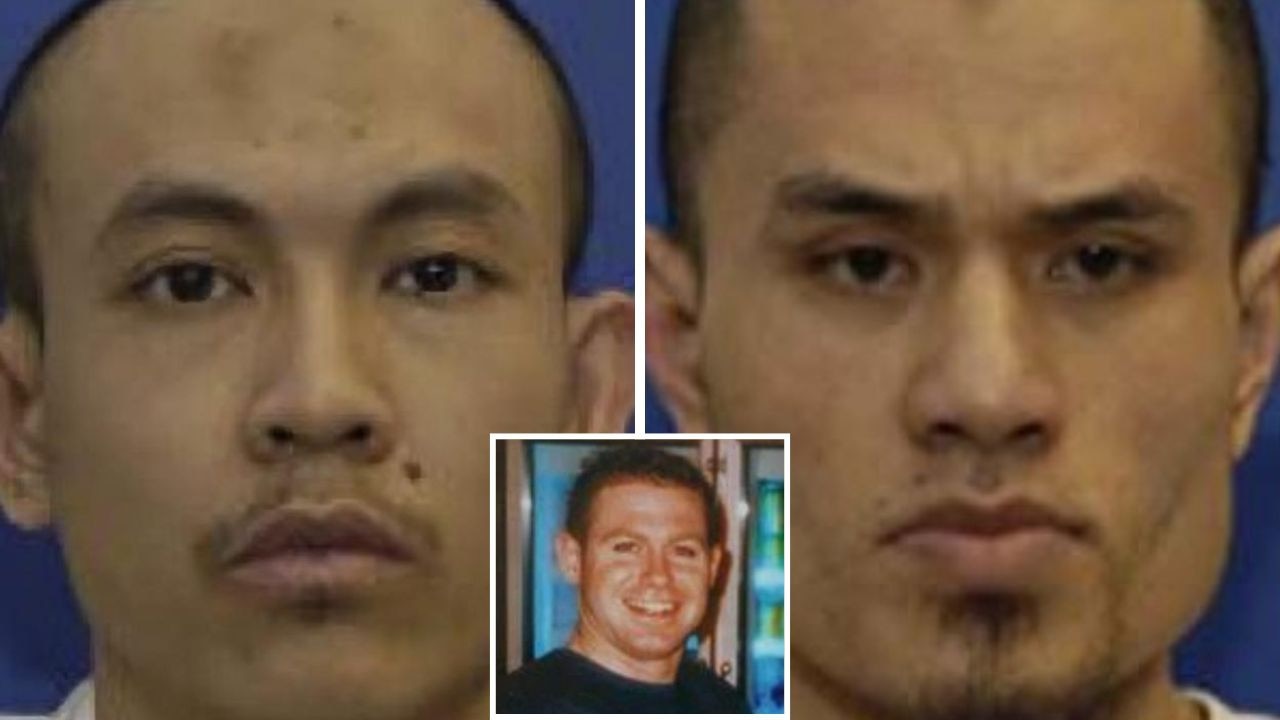
Mohammed Farik bin Amin, 48, and Mohammed Nazir bin Lep, 46, were arrested in Ayutthaya in Thailand in 2003 and moved to Guantanamo Bay in 2006 along with Indonesian national, Encep Nurjaman alias Hambali.
All three men were charged in 2021 with murder, terrorism and conspiracy in relation to the 2002 Bali bombing in Kuta, Indonesia that left 202 people dead, including 88 Australians, and injured a further 200.
They were also charged in relation to the bombing of the J.W Marriott Hotel in Jakarta in 2003 that killed 11 people.
News of possible plea agreements surfaced in August when court documents showed that Farik had officially filed to sever his case from the other defendants at the military court at Guantanamo Bay. In October, both Malaysian men attended court without Hambali, and a hearing has been scheduled for January 15 next year for the official entry of a plea in Farik’s case, meaning that he could be released soon after.
Speaking of the plea deals, which require both Malaysian men to plead guilty, Sydney-based Jan Laczynski, who lost five of his friends in the Bali Bombing, said that they should be made to serve full sentences for their crimes.
“Their impending release is just another kick in the guts for all of us who collectively have life sentences imposed by those who committed the worst terrorist attack and loss of Australians’ lives since peacetime,” Laczynski told news.com.au.
He added however that he wished that the Malaysian authorities and their legal system had had an opportunity to hand whatever punishment they deemed appropriate to Farik and Nazir, as the Indonesian authorities did following the bombings.
In 2003, an Indonesian court sentenced three of the masterminds of the Bali Bombing, Imam Samudra, Ali Ghufron and Amrozi, to death. The men were executed by firing squad in 2008.
“As I said way back during the Bali terror trials in 2003, we must never forget what happened especially to the 202 people and 88 Australians who never returned home, and we must never let the terrorists take our freedom away,” Laczynski said.
It is thought that the plea agreements were brokered in part following a visit by a Malaysian delegation to Guantanamo Bay this year, which included Malaysia’s Home Minister, Saifuddin Nasution Ismail.
In a now-deleted Facebook post on September 25, Ismail said that he had discussed the cases of the two Malaysians with Tina Kaidanow, the US Special Representative for Guantanamo Affairs.
Speaking on condition of anonymity, a source close to the cases at Guantanamo Bay told news.com.au that they understood that the two Malaysians would give evidence against Hambali as part of the plea agreements, and would undergo some form of deradicalisation when they returned home.
“It is my understanding that it is anticipated that they will not be released immediately but will spend some time in a deradicalisation programme in Malaysia,” the source said.
Hambali’s lawyer, James Hodes, told news.com.au that he welcomed the plea agreements.
“Speaking as a human rights lawyer, Guantanamo has been a disaster from every perspective,” he said.
Following their arrests in 2003, all three men were sent to CIA Black Sites where they were tortured to extract confessions according to a 2014 US Senate Intelligence Committee Report, also referred to as the Torture Report.
“From the evidence I have seen, these men had absolutely nothing to do with the things they were accused of. It is a great thing that they will be leaving Guantanamo and will be able to go back to their families,” Hodes said.
“I can only hope the same thing happens to our client. To date, we have seen no evidence of his involvement in these two bombings and we hope that the Australian Federal Police will help us and show us some evidence of our client’s guilt or innocence if they have it. The AFP co-operated with two Australian documentaries about the Bali Bombing in which they did not mention Hambali at all.”
However, families of the victims told news.com.au that the plea agreements left them cold.
Sandra Thompson, whose son Clint died in the bombing, said that the impending release of the Malaysians was not something that she wanted to give much thought to.
“To be honest, I don’t spend my time thinking about these men,” Thompson said.
“I don’t have to waste my life or mental health on them. We will all stand before God so they will not escape. Repentance is their only hope.”
Thompson said that 29-year-old Clint was a country boy who did well in the city and worked for Wolf Blass as a wine merchant. He was also an A grade Rugby League player and president of the Coogee Dolphins, and had been in Bali for an end-of-season trip. Five other members of the team also died in the bomb blast.
Thompson also said that her family had faced a number of challenges since her son’s death, which she felt had been the intention of the bombers when they attacked the nightclubs in Bali.
“The murder of my son has had an enormous effect on our family of nine. He was my second son of six boys and one girl. Each of them have been affected in their own way, making life changes they would not have made. Our family is now shattered.”
She added that her 40-year marriage fell apart following the bombing, and that her family is still picking up the pieces as a result of the attack in Bali.
“Terrorism fractures families forever. That is the aim of it. The ripple effect,” she said.
“I think of Clint every day. Human life had no value to those involved. They were pure evil.”
Aisyah Llewellyn is a freelance journalist based in Indonesia.