You have reached your maximum number of saved items.
Remove items from your saved list to add more.
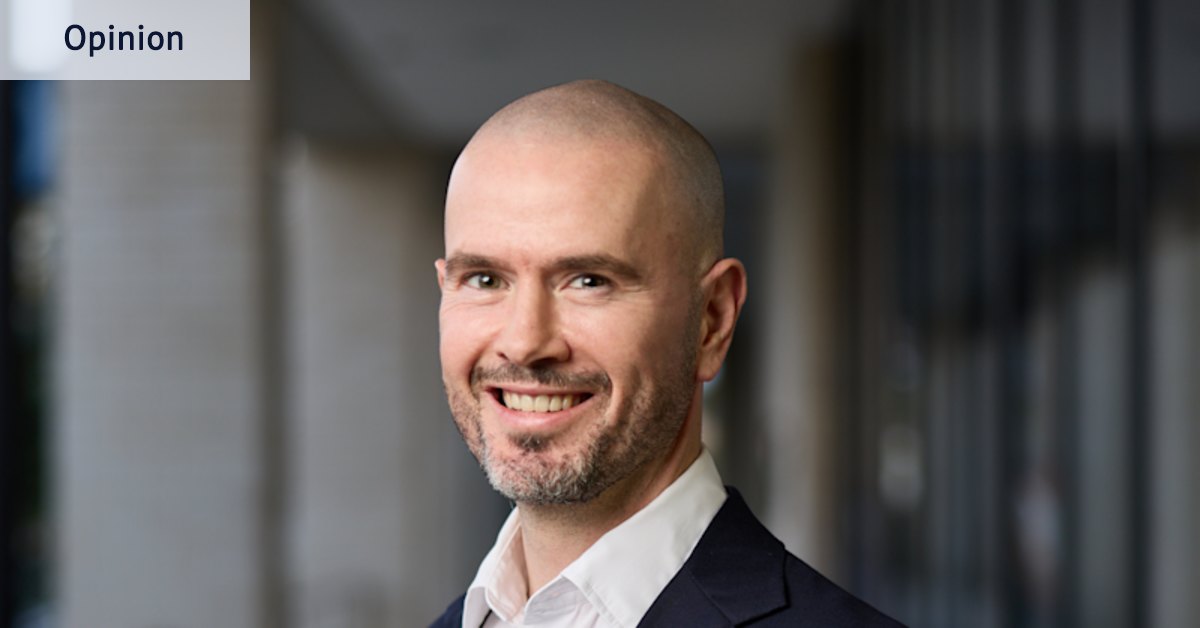
Matthew Cumming grew up a keen sailor. But life – a career in advertising and then raising kids – got in the way. So, after receiving a diagnosis of stage-four prostate cancer, which had already metastasised to his spine and pelvis, in 2020, being on the water was at the top of his bucket list.
In the years since, Cumming has sailed around the Whitsundays, seen his daughter Maya perform at Coachella with Australian musician Flume (with wife Annette and youngest Indigo by his side) and travelled the country in a campervan.
Cumming’s bucket list has been modified since his cancer metastasised into a brain tumour last year and the surgery to remove it resulted in a stroke, though he continues to do the things he loves.
The singularity of his own life came into sharp focus when he participated in St Vincent’s Hospital Sydney’s Sacred Heart palliative care biography program – which he was initially reticent to join.
“I wondered, ‘What have I really got to offer?’” says Cumming, who came to consider his hour-long sessions with biographer Kirsten Tilgals last year a beacon.
“The process itself gave me purpose, and the biography was a surprise in terms of, ‘Yeah, I have done some great and interesting things.’ That makes you feel good about yourself.”
Emma Rossi, the ward’s biography services manager, who heads up the program’s roughly 30 volunteers, says Cumming’s reticence is common – particularly among older women who devoted their lives to raising a family.
“I might say to them, ‘Yeah, but didn’t you tell me you walked across Africa when you were 21?’” says Rossi.
For a younger generation of women, she says, the stories might offer some perspective.
“There’s a message in that about, ‘my grandmother was really a woman of great intelligence and integrity, and, gosh, I am not going to squander the opportunities that have been given to me’.”
The hospital, whose program has been running for 12 years, has just partnered with the University of Notre Dame on a study hoping to back up the anecdotal benefits staff, patients, families and volunteers have experienced. It’s slated for publication later this year.
Biography or life story services in palliative care are nothing new, but research into their benefits is still emerging as the practice is becoming more common at home and abroad.
St Vincent’s model was the first of its kind in NSW and is adapted from one developed by Ivan Lichter in 1990 at Te Omanga Hospice in New Zealand. It was first exported to Australia 20 years ago by volunteers from Eastern Palliative Care in Melbourne.
Penelope Di Sario, Eastern Palliative Care’s co-ordinator of volunteers, says they use biography as a therapeutic tool to alleviate symptoms such as depression and anxiety during a time that can feel over-medicalised.
“To have someone come for up to an hour a week, just to say, ‘Tell me about who you are’, at a time when people sometimes feel like they’re just part of a medical cog, is really, really affirming,” she says.
Their 100 volunteers are trained to be guided by the patient. For some, biography may mean their full life story. For others, it may simply be a snapshot of a time in their life. Others use the service to write letters to family members, shape their eulogy or even create a cookbook or photo album.
“Whatever the person wants to talk about is what we’ll engage with. The volunteer won’t say, ‘That’s not how it happened, or the dates are wrong.’ It doesn’t matter,” says Di Sario, adding they also record voice snippets to pass on to family members.
Research on the program by Dr Karly Edgar demonstrated its therapeutic benefits as, among many other things, a means of transporting the dying to another world and making them feel seen.
Having published close to 2000 biographies, Eastern Palliative Care is the largest service of its kind in the world. It now helps train other groups to do the same – from aged care to Indigenous communities and, recently, a hospice in Kenya.
Davinia Seah, head of palliative medicine at St Vincent’s, hopes the findings from the Notre Dame study will help bolster credibility and secure greater funding for the service.
“It’s the human aspects of people’s stories that come out, bringing back connection, making one human, not just a patient,” she says.
Professor Megan Best, a research associate at Notre Dame’s Institute for Ethics and Society, is leading the study.
She says life story, facilitated by a trained and objective third party, offers the dignity and agency of shaping a legacy on one’s own terms.
Best’s past research suggests the process helps counter demoralisation, a mental state that arises from serious stress like a terminal illness diagnosis (up to 62 per cent of palliative care patients report experiencing it).
“People can feel like giving up and have a desire to hasten death because the idea of a worthwhile future is inconceivable to them,” she says.
Indeed, while the biography can be a valuable document for patients and families, the process is often what matters more.
“It’s not just sitting down with granny and saying, ‘Tell me what it was like when you were young,’” she says. “It requires a human presence to function fully. It’s not something that AI is going to take over.”
Biography is part of an emerging field known as narrative medicine that marries the arts and the biomedical sciences, says Elizabeth Summerfield. A social historian at the University of Adelaide, Summerfield would like to see the service become mainstream.
“Indigenous societies have storytelling as a means of knowledge transmission. That’s something we don’t have – we’re heavily dependent on science, especially in healthcare, as the language for explaining and moving through situations where we’re of ill health or dying,” she says, pointing to The Lancet Commission’s report on The Value of Death.
Cumming’s biographer Tilgals, who retired from a career in media last year, says volunteering has had an enormous impact on her life.
“It’s made me appreciate the fact that deep listening is an exceptionally important thing to offer all people in your life – to actually be listening and not be thinking about other things including your own responses,” she says, adding the process often reveals what’s important in life.
“Most people seem to find a great deal of meaning and solace in those very basic of things of family, friends, pets, work, meaningful work and the things that spark joy, no matter what that is – like swimming, beading, cooking.”
The work has changed how she sees and connects with those in her own life, too.
“I’ve started doing things like putting on my phone to record parts of conversations with older relatives when they start telling a story,” she says, explaining that the minute details that make a life – names, places and feelings, for instance – can get lost when we rely on images to recall the past.
“So we can all be these spontaneous biographers.”
Melanie Lindenberg, who has been volunteering with the program for almost five years, first became familiar with the benefits of biography as a manager in residential aged care.
In the years since, she’s become a keeper of the dying – young and old – and their stories.
For many, telling Lindenberg about their life is the first time they have spoken about a traumatic past – whether that’s the Holocaust, child sexual abuse, war or living through the HIV/AIDS crisis.
She says the main word to describe patients’ experience with the process is “catharsis”.
“To be able to nurture them through the story, which is often quite traumatic, is very beautiful, and they love it,” she says.
Lindenberg treasures the fact stories are written in the first person – a skill biographers are trained in, alongside responding to traumatic stories, editing and interviewing.
“I’m basically a conduit for their story,” she says.
Rossi and the team convene with volunteers every six weeks to debrief and workshop challenges they may be having. All participants sign a consent form, while biographies are kept privately in the ward after patients die (volunteers erase all traces of the biography once they have finished their work).
For now, Best’s team is focused on integrating biography services into palliative care, but the hope is to expand it to other community groups that may benefit, including geriatric care and those who experience major health events, such as spinal cord injuries.
For Cumming, his legacy is simple: his daughters Maya and Indigo.
“Both constantly surprise me as to how much of me is in them,” he says.
“So I’d like to be remembered for having produced two beautiful kids who are going to go on to do great things.”
Make the most of your health, relationships, fitness and nutrition with our Live Well newsletter. Get it in your inbox every Monday.
You have reached your maximum number of saved items.
Remove items from your saved list to add more.