
You have reached your maximum number of saved items.
Remove items from your saved list to add more.
Menopause is a billion-dollar industry in 2026, rising to fill a historically invisible area of women’s health. Companies like Clue, Oura and Metluma have all launched products dedicated to the life transition.
Now, Apple has thrown its hat in the ring.
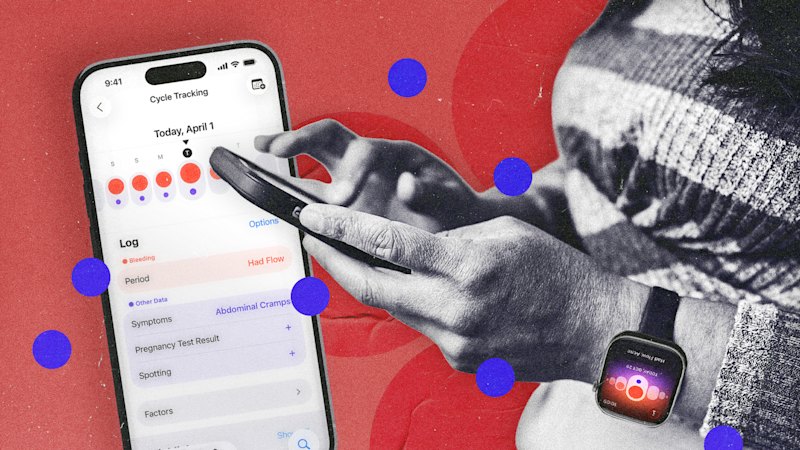
At its annual Worldwide Developer Conference in California this week, the company announced a raft of new features for its 2027 software systems, including an update to its Health app cycle tracking capability to include menopause and perimenopause.
Launching later this year, the update expands on the Health app’s menstrual cycle tracking features, as irregular or abnormal bleeding is a common symptom of perimenopause.
“You can be notified when your cycle patterns are suggestive of perimenopause, log your related symptoms and read educational information so you can understand more about what’s going on with your body and be better prepared to talk to your doctor,” said Craig Federighi, Apple’s senior vice president of software engineering.
Dr Rebekah Hoffman, chair of the Royal Australian College of General Practitioners for NSW and ACT, says the feature may be “really useful for people who have irregular cycles, and for people who have regular cycles and don’t keep track of them,” and is happy awareness is growing for menopause.
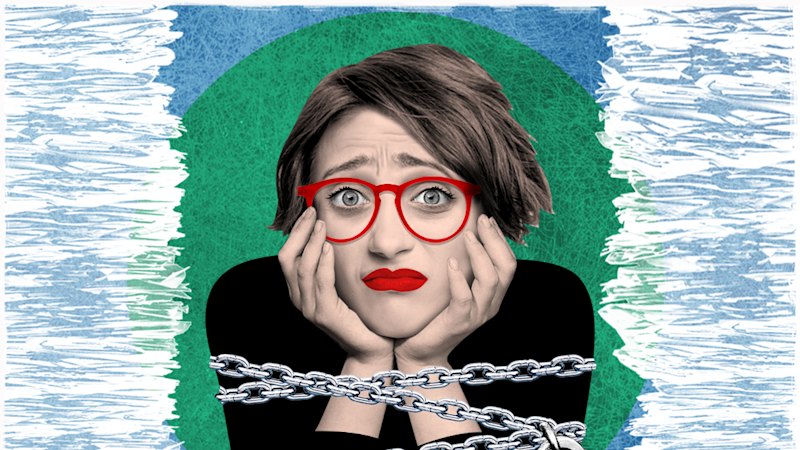
But Dr Brooke Nickel from The University of Sydney’s School of Public Health is wary of “Femtech” shifting the onus from government and healthcare systems to the individual, while couching it in the language of empowerment.
“The issue with the tech side of it is that it monetises the issue, and it can put the responsibility back on women to reframe healthcare as self-surveillance,” she says.
“Perimenopause is not a disease or condition, it’s a life stage. So it reframes perimenopause as more of a diagnosis.”
While Apple says the feature advises women to seek guidance from a medical professional, Nickel worries it may drive women to self-diagnose and spend money on treatments that aren’t evidence-based, commonly circulated on social media.
She adds these tracking apps are only as accurate as the data users input.
Hoffman says you don’t need to see a GP for perimenopause, “unless it is impacting your day to day, or it’s happening before 40 and we need to think about treatment.”
However, she says irregular bleeding can be a sign of something else – like an STI, endometrial cancer or cervical cancer – so it can be a good idea to consult a healthcare professional if you are concerned.
She says there is potential for tracking devices to spark unnecessary fear, citing the Apple Watch’s heart rate monitor as an example.
“A lot of people were coming in when their heart rate was completely normal,” Hoffman explains.
“But they were really concerned with the fact it told them they had an ‘irregularity’ because that’s such a concerning word.”
Nickel ultimately urges users to be wary of the personal data collected by such apps (though Apple does encrypt it), and the profit-making motives behind the companies making them.
Make the most of your health, relationships, fitness and nutrition with our Live Well newsletter. Get it in your inbox every Monday.
You have reached your maximum number of saved items.
Remove items from your saved list to add more.