Loading
In 1997, Morris-Banjo co-founded the Deaf Indigenous Dance Group, whose performers are culturally deaf or hearing-impaired. Based in Cairns, DIDG now comprises 15 performers and is in high demand.
“Our audiences are often gobsmacked, which we love! We are seen as equal in the dance world, which [for hearing-impaired people] doesn’t happen in other parts of our lives.”
To perform to music, DIDG members use special techniques. These include counting beats, focusing on bodily awareness, feeling sound vibrations, and relying on visual cues – Morris-Banjo calls it “seeing the music”. The results are astounding.
“We love that our dancers are beautiful, but that we [also] make a cultural impact. People who can hear often don’t know a lot about deafness, and they’ve never seen a deaf dance group, let alone an Indigenous deaf dance group. So we love that we can say: ‘This is who we are, and we do it well.’ ”
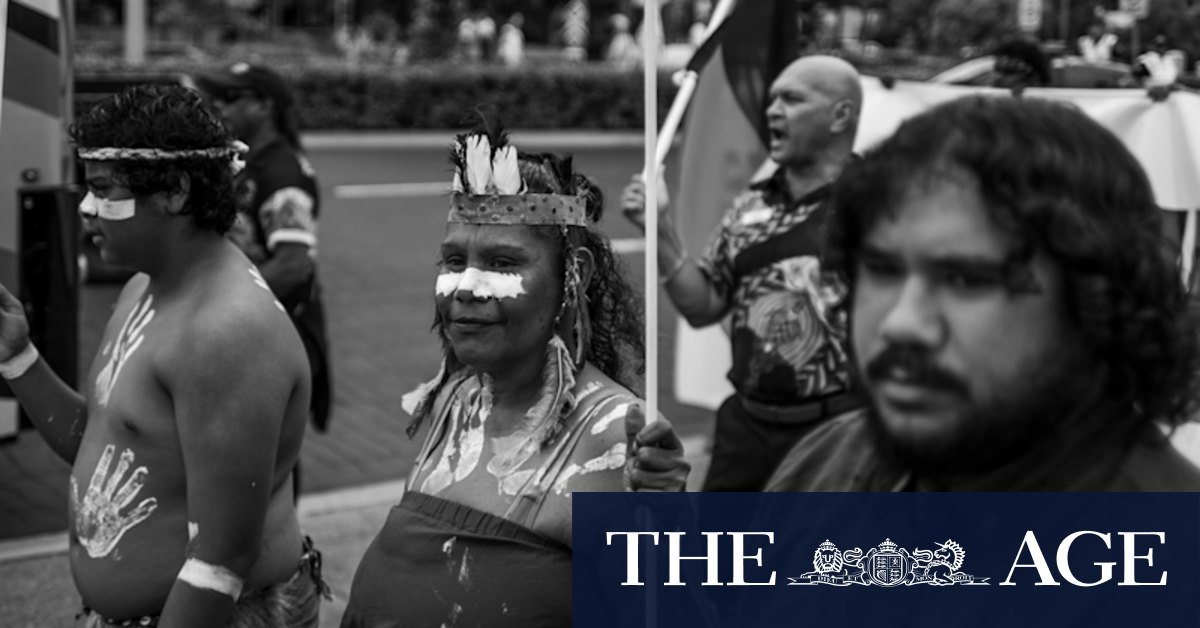
This weekend, in a dream come true for Morris-Banjo, DIDG debuts at the Sydney Opera House in DanceRites, Australia’s largest Indigenous dance competition.
Michael Hutchings, who is of Arrernte heritage and the Sydney Opera House head of First Nations programming, expects this year’s DanceRites to be on an unprecedented scale, with more than 300 dancers representing over 30 nations and clans flying in from across Australia.
“DanceRites is such an important and joyful celebration, so it’s a really exciting moment to be able to welcome our First Nations communities back to Tubowgule, the land that the Opera House stands on.
“As the largest national dance competition for mob to share their unique dance, languages, and cultures, we’re incredibly proud to continue the storytelling traditions that have taken place here for tens of thousands of years.”
DanceRites also allows groups from remote locations to meet for the first time. For the locally based Brolga Dance Academy, which works in Redfern on Gadigal Country, this is why DanceRites is so important.
“We are looking forward to being able to connect with other dance groups from across the nation.”
“Connection is extremely important to us. Connection to culture, Country, other dance groups, and storytelling.“
Sue Frank, a Wagadagam and Badulgal woman and DIDG’s general manager, explains that connection is something deaf people often struggle to find through no fault of their own.
The challenges can be greater for deaf Indigenous people, due to the importance of verbal storytelling in Indigenous culture, and geographical or socioeconomic barriers to accessing therapeutic support programs.
“It wasn’t until I got involved in the deaf mob did I feel like I belonged,” Morris-Banjo agrees.
Loading
“But when I danced, when I joined DIDG, it was like a light was turned on. People can see us as the performers that we are. People can see us as equals.”
Frank agrees, noting that DIDG can be “life-changing” for its members. “That light is a lovely symbol for both of our cultures coming together. That’s what Patty’s done. She is an example of deaf people succeeding.”
DanceRites, November 25 and 26, Sydney Opera House forecourt
The Booklist is a weekly newsletter for book lovers from books editor Jason Steger. Get it delivered every Friday.