In response to questions from the Washington Post about the state of US weapons inventories, Sean Parnell, the Pentagon’s chief spokesman, issued a statement saying that the Defence Department has “everything it needs to execute any mission at the time and place of the President’s choosing and on any timeline.”
It’s unclear how long the war could last.
US President Donald Trump said last week that the operation could take more than a month, though yesterday he told CBS News that it is “very complete, pretty much” citing Iran’s significant military losses.
US Defence Secretary Pete Hegseth and Joint Chiefs Chairman General Dan Caine told reporters last week that the campaign was transitioning away from its reliance on precision munitions and instead will increasingly use the more plentiful stores of laser-guided bombs as US and Israeli forces push inland after establishing air superiority over Iran.
The US$5.6b figure highlights how costly the strikes were before that transition began, said the officials. They did not specify how many and what kinds of munitions were expended in the war’s opening days.
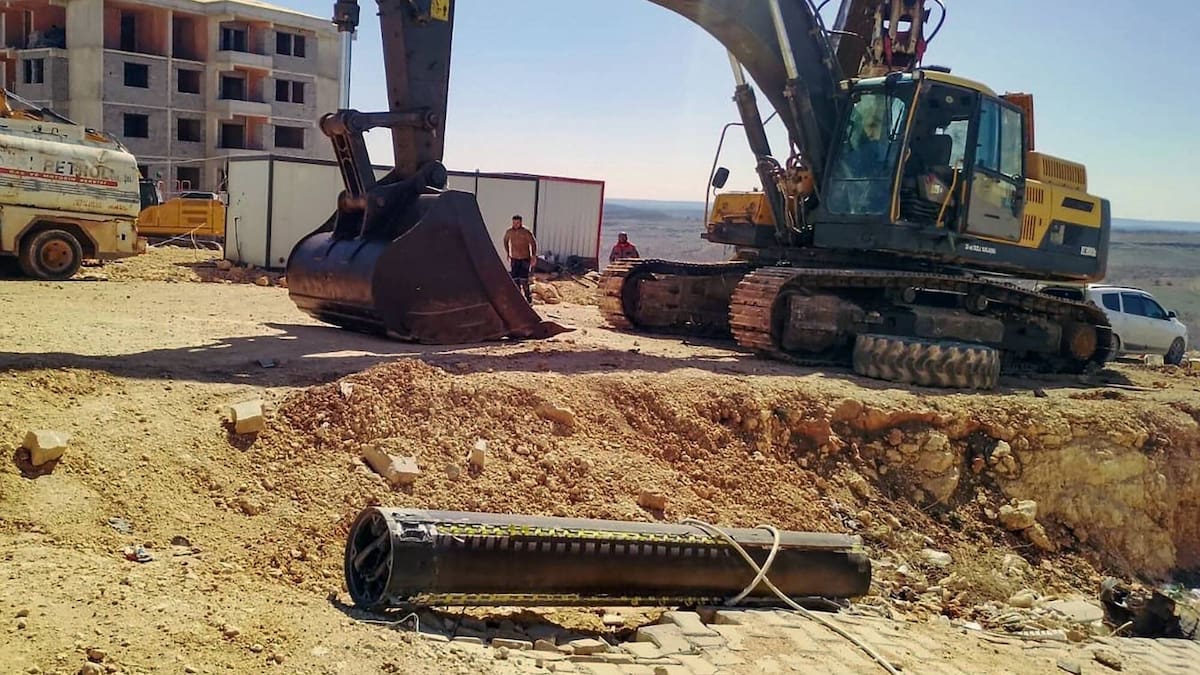
The Post has previously reported that the military has fired hundreds of precision weapons since the start of hostilities on February 28, including advanced air defence interceptors and Tomahawk cruise missiles.
US Central Command, which oversees military operations throughout the Middle East, has said that more than 3000 targets have been hit in Iran using more than 2000 munitions.
Mark Cancian, who closely monitors US inventories at the Centre for Strategic and International Studies, said the shift away from these longer-range munitions will dramatically lower the price of each strike – from millions of dollars spent on each round fired to less than US$100,000, in some cases.
As it churns through its inventories, the military also is rerouting assets from other parts of the world, including the Indo-Pacific region, where lawmakers have long feared that any US conflict with China would be challenged by the Pentagon’s limited stocks of high-end weapons.
The Pentagon is moving parts of a Terminal High Altitude Area Defence (THAAD) system from South Korea to the Middle East, according to two separate officials.
The military also is drawing from its supply of sophisticated Patriot interceptors in the Indo-Pacific and elsewhere to bolster its defence against Iran’s drone and ballistic missile attacks, these people said.
One of the officials said the moves were not due to an immediate shortage of weaponry in the Middle East but were rather a precautionary measure in case Iran drastically increased its rate of retaliatory attacks, which has fallen more than a week into the conflict.
“The more THAADs and Patriots you shoot, the more risk you assume in the Indo-Pacific and in Ukraine,” Cancian said.
The two air defence systems are considered the most advanced in the world.
Ahead of the operation, Caine had warned Trump that an extended conflict with Iran could deplete US stocks of precision weaponry, sapped after years of support for Ukraine in its war with Russia and the Administration’s other military actions in at least seven countries, the Post has reported. The Administration has sought to downplay Caine’s assessment.
Analysts have said they’ve been surprised at the sophistication of Iran’s retaliatory strikes, including its ability to target and at times overwhelm key parts of US and Israeli air defence systems such as radars and command and control infrastructure.
Russia is supplying Iran with intelligence to enhance the accuracy of its strikes against American forces, a move that could compensate for the damage the Iranian military has sustained in the war.
Three American F-15 fighter jets were also downed in a friendly fire incident with Kuwait. Cancian estimated that the planes cost about US$100 million each.
Seven American service members have died a little more than a week into the war, six during a drone strike in Kuwait and another after an attack in Saudi Arabia.
– John Hudson and Ellen Nakashima contributed to this report.
Sign up to Herald Premium Editor’s Picks, delivered straight to your inbox every Friday. Editor-in-Chief Murray Kirkness picks the week’s best features, interviews and investigations. Sign up for Herald Premium here.