

We were Britain’s farm – until they rejected us
for the Europeans.
These days – with the NZ dollar registering US58c yesterday (its relatively recent average is US64.3c) – Kiwis feel a lot poorer when they head off on overseas holidays to the United States.
It’s no different travelling to Europe where the Euro is also not our friend.
Even in Sir Bill English’s days as Finance Minister, our dollar peaked at US81c on December 31, 2012; that’s notwithstanding the Global Financial Crisis and associated recession, and the 2010 and 2011 Canterbury earthquakes.
I was struck by the major movements in the NZD/USD cross rate in a graph the Ministry for Primary Industries (MPI) director-general Ray Smith displayed at a briefing this week.
It is clear the depreciation of the NZD from a relatively recent average of US64.3c to register US58c on December 19, 2025 is making our exports more competitive.
That is good news for the primary sector where US dollars are the currency for much of our exports.
As MPI’s Economic Intelligence Unit later noted in response to Herald questions the NZD/USD exchange rate has had periods of strength, and the current lower rates do provide a competitive edge for exporters but do raise input costs for businesses reliant on imported goods.
“Over the past decade, the New Zealand dollar has been stronger relative to the US dollar [than it is today]. MPI does not forecast exchange rates. If the New Zealand dollar did strengthen over the long run, we may expect to see exports become less competitive, but also for imports to become more competitive.
“We also note that businesses exposed to currency fluctuations employ hedging strategies to manage risk and protect margins.”
There was an optimistic spirit at the MPI briefing.
Smith had invited movers and shakers from the agribusiness world into the Charles Ferguson building behind Parliament to share the December 2025 Situation and Outlook for Primary Industries (Sopi).
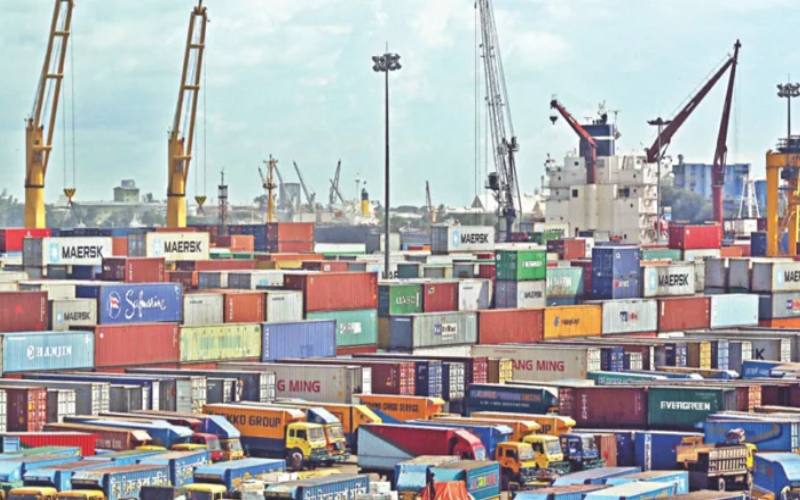
The Government has set a goal to double exports by value within 10 years.
This is a tough ask.
The Sopi forecasts predict New Zealand will sport $62 billion in export revenue in the year to June 30, 2026.
All this is against a background where global tensions have slowed global economic growth with higher US tariffs constraining world trade.
The goal to doubling exports by value is heavily reliant on returns from the food and fibre sector which accounted for 82.9% of New Zealand’s goods exports in the year to June 2025.
On average food and fibre exports have grown by 5.3% annually during the last 10 years whereas other goods exports have grown by 2.1%.
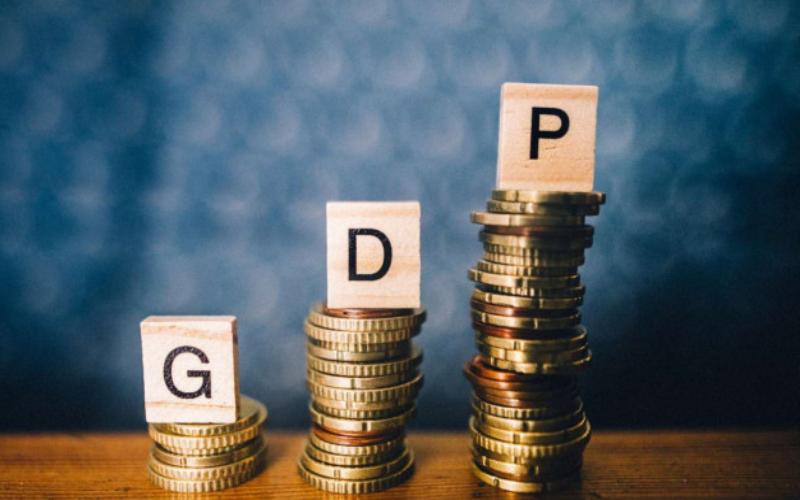
But this sector accounted for only 15.3% of GDP in the year to March 31, 2024. It includes a direct contribution of 8.8% to GDP from production, processing and commercialisation, and an estimated further 6.5% contributed indirectly from associated industries like transport and warehousing.
Across the road at the Beehive, Nicola Willis also drew heart from the kicker to economic growth announced this week.
A 1.1% jump in GDP in the September quarter is not to be sneezed at.
But the Finance Minister will need a good deal more sustained economic growth to spur tax revenues, help knock the Government’s books into shape in the absence of significant expenditure cuts, and cap increasing debt.
As we prepare to enter 2026, it’s time to consider the revenue side of the equation (as Treasury repeatedly urges); not simply the major expenditure cuts advocated by the NZ Taxpayers’ Union which the Government shies away from making.
I don’t want to be the Grinch that spoils Christmas – so that’s a column for another day.
But there is some good news within the Stats NZ release.
Happily, some sectors have outperformed the 1.1% overall rise in GDP from that recorded in the June quarter.
The strongest sector was manufacturing, up 2.2%, driven by food, beverage and tobacco; and there were smaller positive contributions from real estate services, retail, and energy and water industries.
Construction was up 1.7% and primary industries 1%. Media is still declining.
Inflationary pressures are easing.
The stabilisers in the economy are working to a degree.
Back to October 1973, when our Kiwi dollar would (for a time) buy US$1.49.
It was a pivotal year for global exchange rates, as the Bretton Woods system collapsed, leading to floating exchange rates and increased market speculation, impacting currencies like the NZD.
That’s not on the cards.
But getting back to that height experienced in 2012 would be a great goal to aim for.
• I would like to wish all my readers a restorative and happy Christmas holiday break.
Catch up on the debates that dominated the week by signing up to our Opinion newsletter – a weekly round-up of our best commentary.