Opinion
In the nutrition news we’ve all been waiting for with bated breath: caviar does not contain parasites, so you may eat it to your heart’s content.
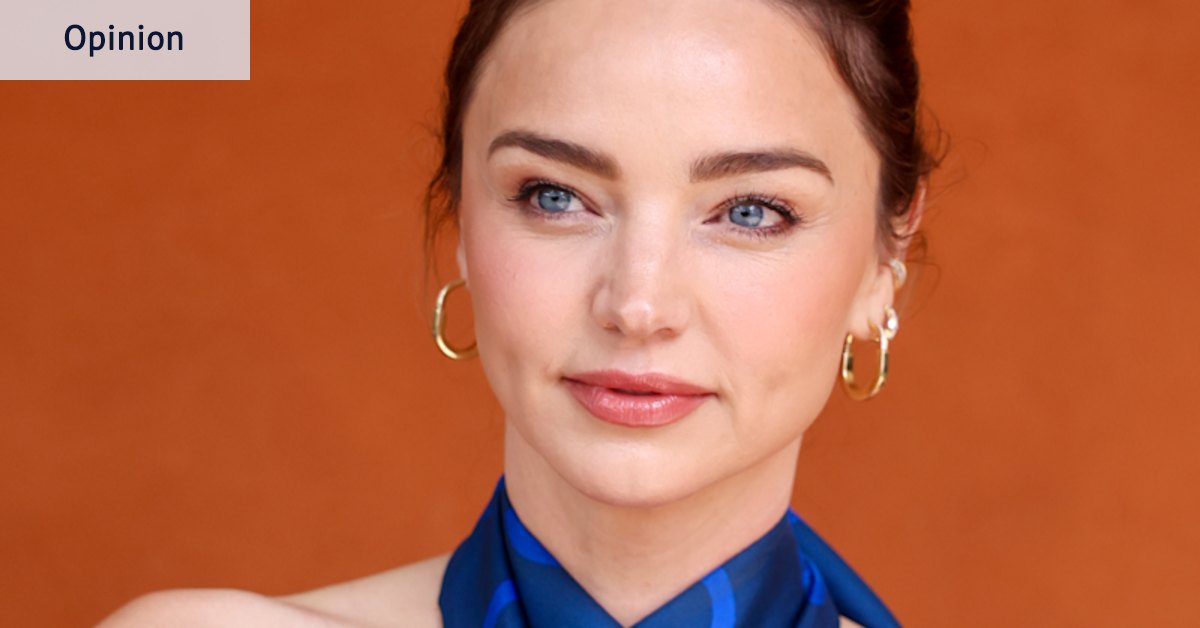
Or, so said Miranda Kerr in a recent interview with American TV personality Kristin Cavallari on her podcast, Let’s Be Honest.
In addition to her fondness for one of the world’s most expensive foods, Kerr also detailed her diet and wellness philosophy.
She is Australia’s very own Gywneth, and just as goopy and earnest.
After a morning of meditation, the 43-year-old spends time on a “cell regulation mat” and bathes in the morning sunshine with her four sons in their $200 million Los Angeles home.
Then she has a shot of noni juice (also known as hog apple and Indian mulberry), a cup of marshmallow tea, several tablespoons of coconut yoghurt with “a little local honey” and “a bit of a banana”.
“Then I get to my coffee.”
Relatable. Until Kerr clarifies that she only drinks coffee she has tested for mould and lead.
She sips her blissfully lead and mould-free coffee with coconut milk – fresh-made from upscale organic grocer Erewhon – and maple syrup.
Pete “activated almonds” Evans eat your heart out.
Chocolate is a no-go for the Australian supermodel because it, too, contains lead. “I have found some carob I like,” Kerr shared, though still has it personally tested to check it’s truly lead-free.
Kerr also “doesn’t do” eggs, kale, spinach, wheat or dairy. And, when asked by Cavallari whether she eats sourdough (or any kind of carb), Kerr replied: “No, I eat a lot of squash and carrots and parsnips.”
She only eats meats “that are not mass-produced” such as venison, bison, lamb, and turkey, and cooks exclusively with coconut or avocado oils (reserving extra virgin olive oil for her salads).
“I do have a little bit of salmon but not much because of the mercury,” she said.
And sushi? “Never: parasites … It’s not worth it.”
Thank goodness for caviar: “No parasites there,” Kerr said.
But, even while I chuckled at the apparent absurdity of it all, I was wondering whether any of it could be true? Given Kerr has previously said that she had an autoimmune inflammatory condition, called proctitis – a form of irritable bowel syndrome – perhaps her rigid approach was medically necessary?
Cracking Kerr’s diet code
Let’s start at the top of Miranda’s food chain. It’s rare, but caviar can contain parasites.
Sushi, however, is marked safe. “The chance of parasite contamination in Australia is extremely low,” says Associate Professor Evangeline Mantzioris, a dietitian from Adelaide University. You just need to “be mindful of purchasing it from outlets with good food safety practices”.
In fact, even though we consume millions of servings of sashimi each year, there is only one documented case of parasites from sushi in Australia. And while farmed salmon has plenty of issues, high levels of mercury is not one.
As for Miranda’s meat argument, “It is comical,” says Mantzioris, who notes lamb is actually mass-produced.
There were an estimated 74.2 million lambs in Australia’s national stock last year. Turkey is mass-produced, too. In 2023, the total US turkey production was 218 million birds.
“Those other meats she mentions are expensive and offer no further nutritional benefit compared to chicken, fish, beef and pork,” Mantzioris points out. “Eggs are a good source of fat-soluble vitamins and protein.”
There is a compound in kale and spinach – oxalates – which can impact mineral absorption when people consume large quantities or have a specific medical condition. “For most healthy people, there is no reason to avoid either and many good reasons to include them – they are rich in beneficial phytonutrients,” says dietitian and author of The Fibre Factor, Dr Joanna McMillan.
And yes, coffee and chocolate can have heavy metals in them – anything grown in the soil can, Mantzioris explains. Coffee can also contain mould, as can any seed or grain stored over a long period of time, but it is entirely preventable. Just be sure to keep your coffee in a cool, dry place, in an airtight container and buy fresh whole beans in small quantities.
As for choccy, keep it good quality, avoid excess, and opt for brands that routinely test their products.
Not drinking excessive amounts of coffee and buying it from different regions around the world can also minimise the risk of heavy metals, Mantzioris says. That’s because lead in the groundwater differs around the world according to local industrial pollutants. “By having different sources, you spread your risk.”
And what of Kerr’s autoimmune condition? Proctitis recommendations would differ during a flare-up, Mantzioris says.
They would likely include well-cooked vegetables (including blanched kale and spinach), and foods containing soluble fibre (such as oats, bananas, beans, Brussels sprouts, peaches, apricots and avocados) which are softer and cause less pain and irritation during a flare-up. The foods that cause irritation or flare-ups are highly individual.
When there is no flare-up, they would most likely eat an anti-inflammatory-based diet with lots of plant-based foods, fish and would avoid foods known to cause them irritation.
“For anyone thinking of copying her diet, my take is – don’t confuse a celebrity’s personal food rules with nutrition science,” says McMillan.
“The best diet is not the one with the longest banned-food list or the most expensive, exclusive products. It is one that is varied, enjoyable, nutritionally balanced, affordable, and realistic enough to sustain.”
Make the most of your health, relationships, fitness and nutrition with our Live Well newsletter. Get it in your inbox every Monday.
 Sarah Berry is a lifestyle and health writer at The Sydney Morning Herald and The Age.Connect via X or email.