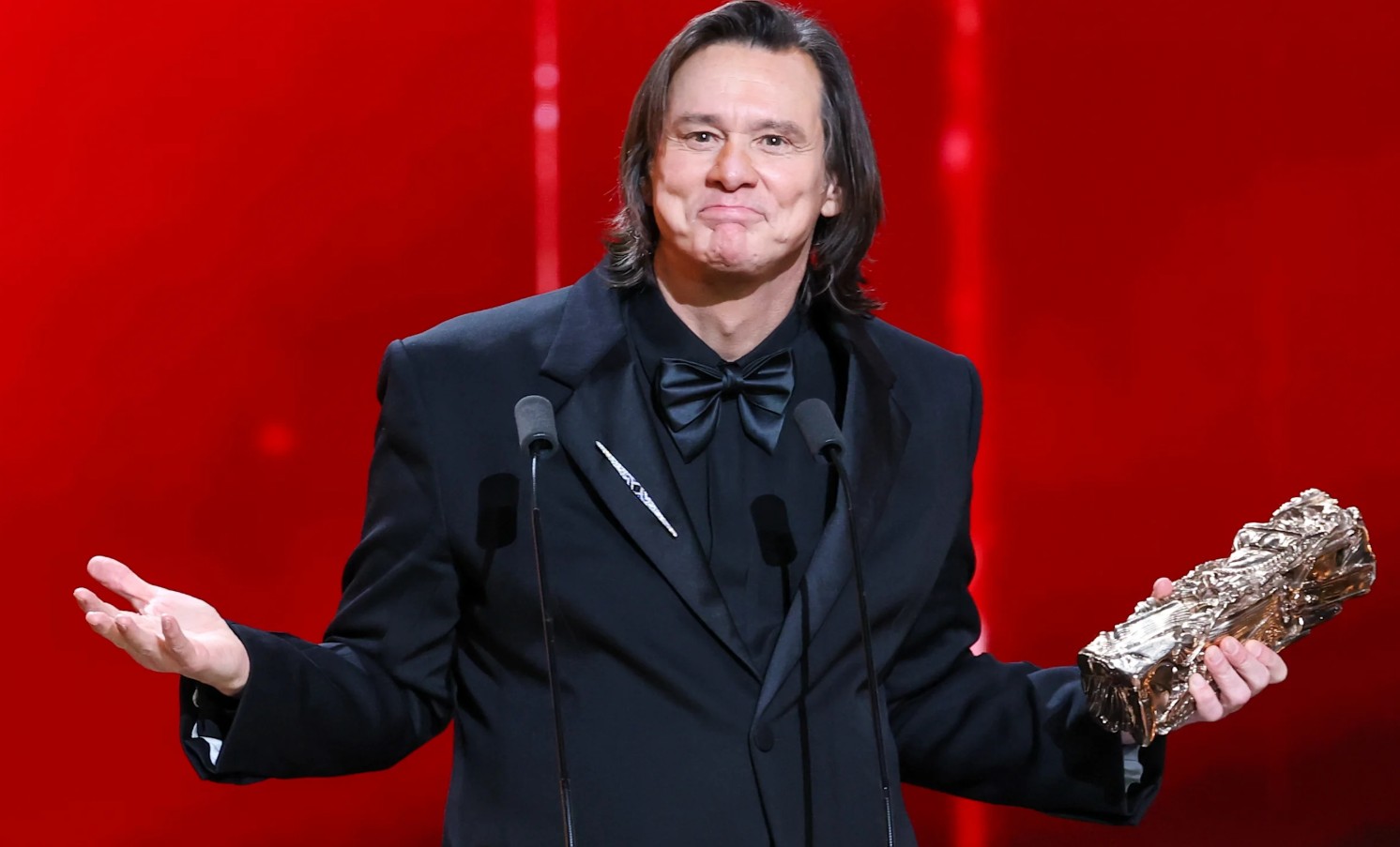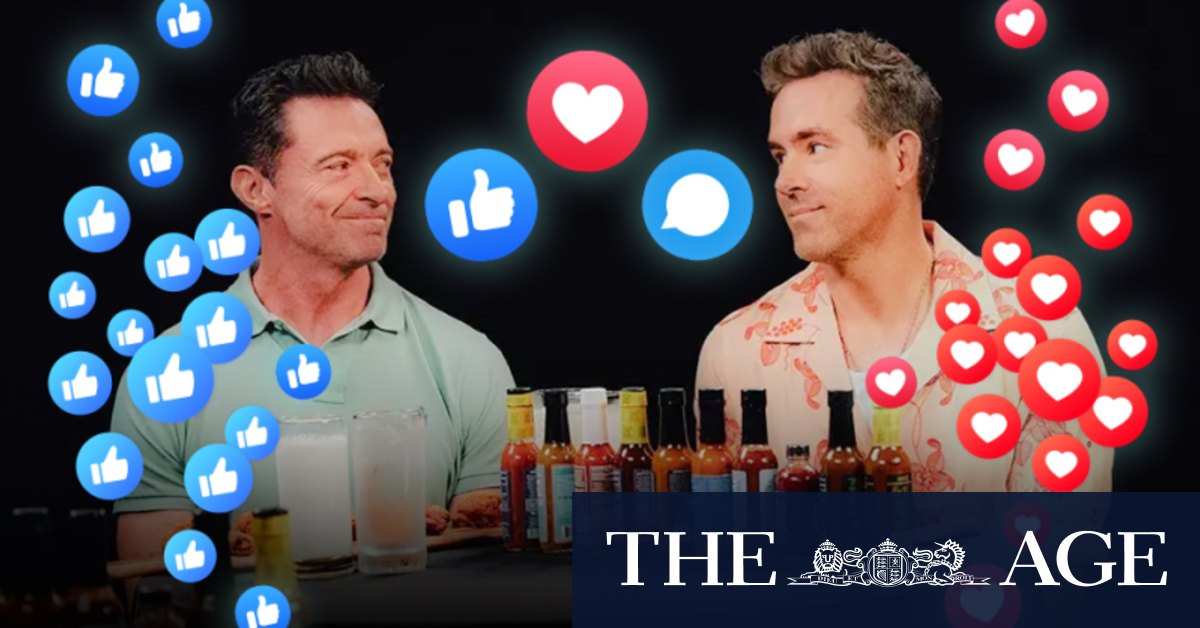
Though they’re both effective, MacRae says they operate in entirely different ways. While traditional marketing generally delves into the film and plot, social media marketing focuses on the universe around the film, building more “authentic” connections between audiences and cast.
“The videos make you feel like you’re being shown the behind-the-scenes, like you’re getting to know the actors – you’re a part of something bigger than the movie itself,” MacRae says.
“If everyone just talks about the film, we’d have identical pieces of content. By doing it this way, we have unique pieces, which are often funny and make you feel like you’re in on the joke. You’re probably more likely to see the film then.”
For example, one of her most successful promotional posts was of Jason Momoa winking at her at the Fast X premiere, attracting over 9.4 million views. The film is only mentioned in passing.
However, as quickly as content can go viral, it can go awry. “When a clip goes viral, it’s like free advertising on a massive scale, quickly creating buzz, driving people to cinemas in droves,” says chief executive of We Are Social, Suzie Shaw.
Loading
“However, it also means that a film’s reputation can be built or broken in a very short time, which makes box office success increasingly unpredictable.”
For example, Reynolds’ wife Blake Lively has been criticised for allegedly trying to create a “Barbenheimer 2.0″ with It Ends With Us and Deadpool & Wolverine on social media, a strategy deemed insensitive given the themes of domestic violence in the former film.
Associate professor of marketing at The University of Sydney Tom van Laer says social media promotion isn’t for every film. “This kind of promotion tends to favour content that’s easily digestible, humorous, or sensational, qualities that align well with irreverent, action-packed films like Deadpool & Wolverine.
“In contrast, films like The Zone of Interest, which is more serious, contemplative, and artistic, might not translate as well into the fast-paced, visually driven world of social media.”
There’s also concern around what this could mean for film criticism. Jake Wilson, who reviews for this masthead, says the proliferation of social media promotion means some distributors “no longer feel they have to rely on reviews to get the word out”. Fewer films are being previewed, or are previewed last-minute.
There’s still demand for reviews, he says – as is indicated by the popularity of sites like Rotten Tomatoes – just as there’s a need for billboards and breakfast show interviews. It’s ultimately about reaching the broadest possible audience in an increasingly fragmented landscape.
Find out the next TV, streaming series and movies to add to your must-sees. Get The Watchlist delivered every Thursday.