
It’s been 20 years since my first social media ban came into effect. At the peak of the MySpace era, when all my friends turned into tiny web developers to HTML-code their profiles and engage in the social politics of the Top 8 best friends table, my high school instituted a blanket ban, blocking every student’s account from accessing the website during our weekly computer classes. (Because, in 2005, “the internet” was still a place we deliberately went to, not something we carried in our palms.)
But they missed something in the purge. One year 9 student realised his login miraculously still let him access the website. So each day, he’d change his password and sell it to students on their way into the musty, hot computer lab for $5 a pop. This enterprising 14-year-old had been given a backdoor through the rule and we all knocked on it. Teenagers will always find a loophole.
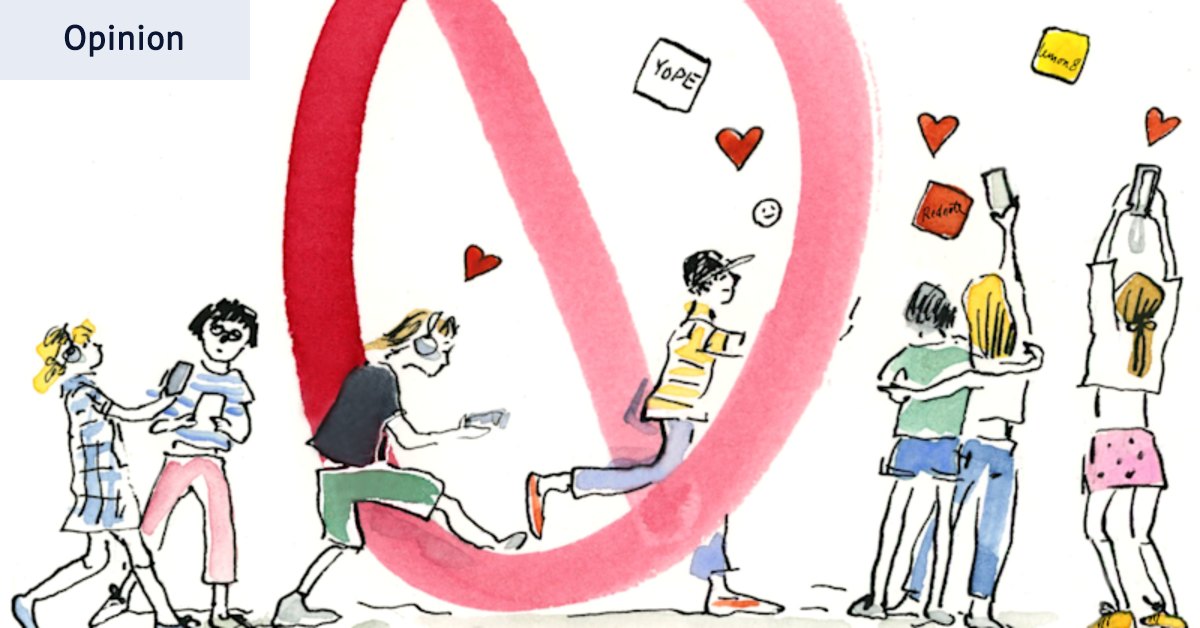
Credit: Robin Cowcher
In light of the government’s social media ban coming into effect, I’ve been thinking less about whether teens should skirt the restrictions and find ways back to their apps, and more about the kind of internet they’ll encounter when they do.
I don’t think I’m alone in feeling that social media has become a more hateful and antagonistic place for us to spend our time. At its launch, Twitter (now X) was billed as a “global town square”. Today, that square would be on fire. We’d avoid passing through it, much less hanging out there. People go there to cry and scream.
Cruelty is so normalised online because outrage has become the fuel that keeps algorithms chugging along. Where once our feeds served us posts from people we made a conscious decision to follow, there’s no opting in any more. Everything we see is chosen based on our interests and behaviours, sure, but also to amplify content that gets people charged up. Hate get clicks. Rage bait works. Facts matter less than how many inflammatory comments misinformation will inspire.
Loading
Casual nastiness is par for the course, and every time I’m exposed to comments calling people ugly, fat, broke and stupid, I’m grateful that my self-esteem isn’t more fragile. Dangerous content is more than just mean barbs: we all watched a genocide play out in real time for the past two years. I saw the moment a bullet pierced Charlie Kirk’s neck. The algorithms decide what we see based on what they think will get the biggest reaction. And they don’t care if that reaction will do any of us harm.
While Australian teens are shooed away from social media, the AI arms race will keep powering along. It’ll keep creating virtual versions of teenage girls, like Tilly Norwood, the AI-generated “actress” who can’t think, or say no, with any agency of her own. The online harms that the ban is determined to protect kids from aren’t exclusive to social media. Schoolkids are using AI to make deepfakes of each other. They’re befriending chatbots that have reportedly sent (adult) users deep into psychosis. The platforms have spent two decades training us to be meaner, faster, louder – and now they’re taking those lessons and scaling them through AI that will churn out infinite content designed to enrage us.
We’re not protecting young people by keeping them off social media; we’re just delaying their entry into a machine we’ve already let break us.