You have reached your maximum number of saved items.
Remove items from your saved list to add more.
The look of the AFL ladder will change when the Tasmanian Devils join the AFL ranks in 2028 but one Launceston business is hoping to transform the appearance of grandstands at the MCG, SCG and beyond.
On the outskirts of Tasmania’s second city, Waverley Mills is the last wool mill in the country that spins, weaves, cuts and dyes on site. They are committed to using Tasmanian wool from farms that adhere to the Responsible Wool Standard and pursue regenerative farming practices.
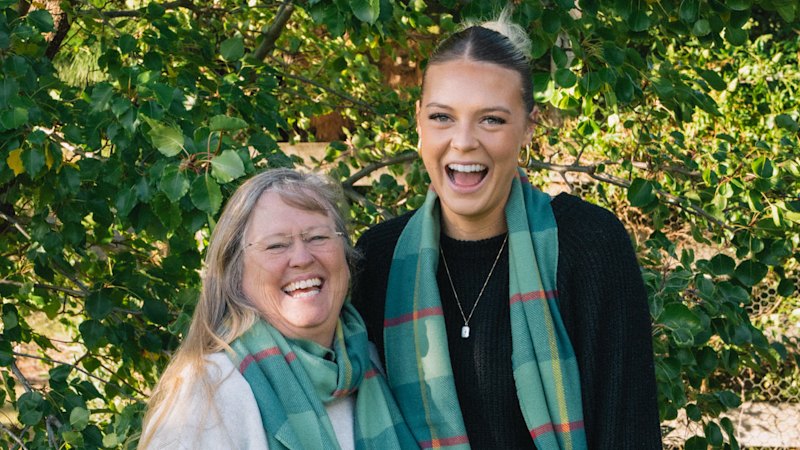
In May, the 152-year-old mill teamed up with the Devils to produce a limited edition, 100 per cent wool scarf as an alternative to official merchandise manufactured offshore from environmentally unfriendly materials.
“The big difference that we can offer is that we keep the whole supply chain here in Australia,” says Fran Maiale, Waverley Mills chief executive. “It creates a value like no other.”
For the mill, potential contracts with the AFL could help it return to the glory days when it provided blankets for Qantas first class passengers and produced items for Printemps department store in Paris. It would also restore confidence in a local economy already anticipating the impact of the closure of the historic 145-year-old James Boag Brewery in November.
“We used to employ 300 people [it currently employs nearly 40 people] and we’d love to continue these partnerships so we can continue to grow the business at scale again, and really the mill can play that pivotal role in Launceston,” Maiale says.
So far, the mill has only had preliminary introductions to AFL officials, through the successful Devils project and a commemorative scarf produced for Hawthorn, celebrating their 25-year commitment to playing in Tasmania.
Successful sales of the scarves, which are priced at $150, show that there is a market for Australian-made, environmentally friendly products, alongside more affordable acrylic offerings from the AFL priced at about $30.
New Zealand brand Rodd & Gunn recently tapped into the growing market for AFL merchandise made from sustainable fabrics with jerseys using Australian cotton, made in Vietnam.
“We wanted to create something supporters would be proud to wear beyond the siren,” said Mike Beagley, chief executive at Rodd & Gunn.
Sustainable fashion expert Clare Press, founder of The Wardrobe Crisis podcast, welcomes the shift in supporter spending.
“It wasn’t too long ago when we saw value in things being made to last,” Press says. “I think we’re returning to that mindset, as we see the waste (including fashion waste) pile up.”
“We produce the world’s best quality natural fibres right here in our backyard.”
“The alternative is uninspiring, disconnected, ugly and drab. Nasty acrylic knitted nonsense.”
“If I had to pick the grimmest fabric in existence, I’d go for acrylic, hands down.”
Press has visited the Waverley Mills property in Launceston and supports its commitment to sustainability.
“This is not just about fibre sovereignty; it’s about job opportunities for young people. It wouldn’t take much. A large organisation like the AFL could make a massive difference.”
Make the most of your health with our Live Well newsletter. Get it in your inbox every Monday.
You have reached your maximum number of saved items.
Remove items from your saved list to add more.