

You have reached your maximum number of saved items.
Remove items from your saved list to add more.
Save this article for later
Add articles to your saved list and come back to them anytime.
We talk a lot about the health of our hearts and brains, but there’s one little organ tucked away behind the stomach that rarely rates a second thought – the pancreas.
And it’s in trouble.
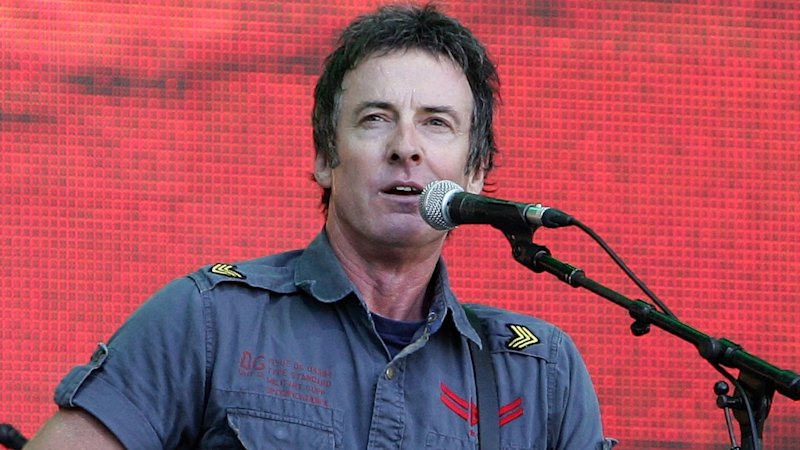
Let’s start with pancreatic cancer. The disease that took the lives of legendary figures like US Supreme Court Judge Ruth Bader Ginsberg, Apple co-founder Steve Jobs, and most recently, Midnight Oil musician Rob Hirst, is now predicted to become Australia’s second most lethal cancer by 2030.
The number of pancreatic cancers in younger Australians has also jumped by 200 per cent in just 24 years – part of a worldwide uptick in the disease among 15 to 49-year-olds in affluent countries, according to 2024 research from Flinders University.
Lifestyle factors can shoulder some of the blame, says Flinders University College of Medicine and Public Health researcher, Professor Savio (George) Barreto.
“Although smoking was a major risk factor globally, we found that raised blood glucose and obesity are major risk factors for early-onset pancreatic cancer in Australia and Oceania,” he says. “Smoking, alcohol and obesity are significant contributors to the risk of pancreatic cancer. A healthy lifestyle will most certainly reduce the risk.”
The link between diabetes and a deadly cancer
Better lifestyle habits could also help prevent that other assault on the pancreas: type 2 diabetes.
According to Diabetes Australia, it’s the fastest growing chronic condition in Australia, and like pancreatic cancer, a problem now affecting more and more young people. In the past 10 years, there has been a 44 per cent jump in the numbers of 21 to 39-year-olds diagnosed with diabetes, and a 17 per cent increase in diagnosis before the age of 20.
“It used to be that type 2 diabetes occurred in people over 40, but now we see adolescents with the disease,” Barreto says. “Although raised blood sugar alone doesn’t increase the chances of pancreatic cancer, insulin resistance, poorly controlled blood sugar and inflammation of the pancreas, all factors that go with long-standing diabetes, are associated with pancreatic cancer risk.”
Research from the UK last year found that diabetes can almost double the risk of pancreatic cancer.
But lifestyle factors aren’t the only contributors. Family history, including inheriting the BRCA1 and BRCA2 genes linked to an increased risk of breast and ovarian cancers, is another. So is age (most pancreatic cancers occur after 60), and long-term exposure to some workplace chemicals, according to Pankind, an organisation working to improve survival rates for the disease.
The numbers of people diagnosed with pancreatic cancer in Australia aren’t huge – just under 5000 cases last year. But what makes it so serious is that it flies under the radar, with its symptoms including back or abdominal pain or nausea easily dismissed as something minor. Survival rates are low – about a 13 per cent chance of surviving at least five years – because it’s often too advanced by the time it’s found.
‘I’ve made a decision to raise as much awareness of this disease as I can.’
When 55-year-old Mona Thind reported mild discomfort under her lower ribs, her doctor told her it was probably constipation, and to treat it with laxatives. “But when I mentioned it to my father, a former surgeon, he said, ‘Get a blood test to check your liver, and get a scan’,” says Thind, a director of strategy with NSW Health. “I thought Dad was paranoid, but I did get a scan – and it found a tumour hidden inside a cyst on my pancreas.”
Thind was lucky. She’s one of only 10 per cent of people whose pancreatic cancer is found before it has spread, and her tumour was caught early enough to be removed by surgery.
“I didn’t break down and cry when I got the diagnosis because I knew so little about the disease at the time,” she recalls.
“But now I know of people who have only had days between their diagnosis and their death, and I’ve made a conscious decision to raise as much awareness of this disease as I can.”
She’s given a talk on pancreatic cancer at her workplace, created an information card with symptoms that she hands out to everyone she meets, and has started Battlers Down Under – Pancreatic Cancer Support, a Facebook page for anyone affected by the disease. In March, she’ll be joining Sydney’s fundraising walk, Put Your Foot Down, to raise funds for Pankind.
So what are the symptoms of pancreatic cancer?
The main clues are persistent upper abdominal pain just below the ribs or the breastbone, unexplained weight loss, jaundice (yellowing of the skin and eyes) and poo that’s pale, loose, smells especially bad and hard to flush down the loo. (Pankind’s Self-Assessment Tool has more details.)
New recommendations that are set to be promoted to GPs over the next few months may also help doctors decide who needs investigation for pancreatic cancer, says Professor Rachel Neale from the QIMR Berghofer Medical Research Institute. Developed by Australian clinicians and scientists and led by the Institute’s researchers, the recommendations give advice about which patients might need more tests, based on combinations of their symptoms and risk factors.
“The symptoms of pancreatic cancer can be very non-specific,” Neale says. “Someone with abdominal pain is much more likely to have a less serious condition but if you combine that symptom with other issues like a history of smoking, heavy drinking or obesity, it may warrant investigation of the pancreas.”
Fascinating answers to perplexing questions delivered to your inbox every week. Sign up to get our new Explainer newsletter here.
You have reached your maximum number of saved items.
Remove items from your saved list to add more.