
A stroke, often referred to as a “brain attack,” is a medical emergency that occurs when blood flow to the brain is disrupted, leading to damage to brain cells.
As a physiotherapist, my objective is to bring attention to the consequences of stroke, the significance of physiotherapy in the process of rehabilitation, and the crucial role of prevention.
Understanding stroke
The occurrence of a stroke can be attributed to either a blockage in the blood vessels responsible for supplying blood to the brain (ischemic stroke) or bleeding that takes place within the brain tissue (haemorrhagic stroke). The consequences of a stroke can vary greatly, affecting one’s ability to move, speak, think, and overall quality of life.
Physiotherapy in stroke rehabilitation
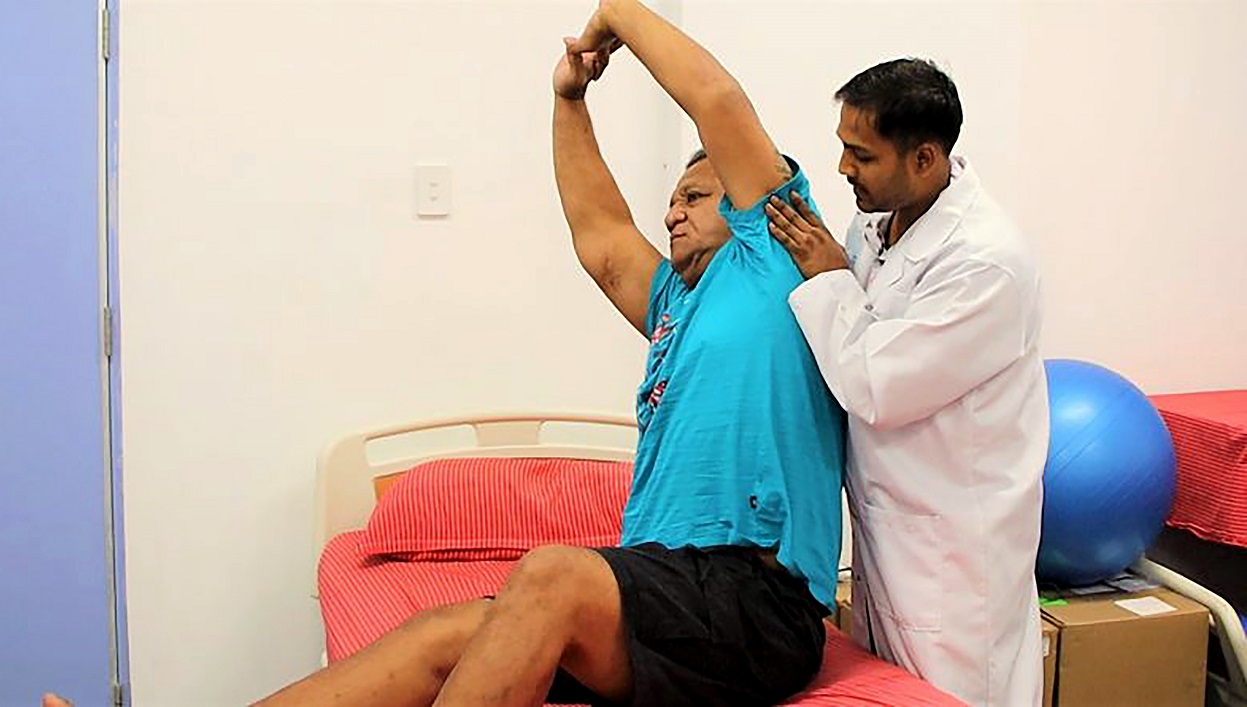
Physiotherapy plays a crucial role in the recovery process after a stroke. It primarily aims to restore movements, enhance balance, and promote independence in daily activities. By tailoring exercises and therapeutic interventions to everyone, physiotherapy effectively tackles challenges like muscle weakness, spasticity, and coordination issues.
Early intervention
The timely initiation of physiotherapy is paramount in maximising the recovery potential. Shift intervention not only helps prevent complications but also facilitates neural plasticity, which is the brain’s ability to reorganise itself. Additionally, it greatly enhances the chances of regaining lost functions. Working closely with individuals, physiotherapists assist in setting realistic goals and developing a personalised rehabilitation plan. Likewise, Oceania Hospitals assists the patients with a plain CT scan, and from the CT scan result, it is diagnosed as either infarction or haemorrhagic. If it is haemorrhagic then blood pressure, diabetes, and cerebral edema (swelling) are managed. Furthermore, if the CT scan result confirms there is an infarction, then antiplatelet, thrombolytic drugs, blood pressure, diabetes, and cerebral edema are controlled. Hence on the second day, the specialist then refers to the physiotherapist to formulate a physiotherapy diagnosis and start a patient rehabilitation programme which helps in the patient’s recovery.
Mobility and exercise
Regular physical activity is a fundamental aspect of stroke rehabilitation. Physiotherapist plays a crucial role in assisting patients with a variety of exercises that focus on enhancing strength, flexibility, and coordination. Activities such as walking, balance training, and specific muscle exercises all contribute to the recovery of mobility and overall functionality.
Adapting daily activities
Physiotherapists not only help stroke survivors with exercises but also support them in adjusting to their daily routines. This can include teaching different methods or introducing working aids to enhance independence. The main goal is to empower individuals to regain control of their lives and actively engage in their communities.
Preventing stroke
Rehabilitation is vital, but prevention is just as crucial. Physiotherapists educate people on lifestyle changes that can lower the chances of having a stroke. These changes involve eating healthy, staying active, controlling blood pressure, and not using tobacco.
Conclusion
Stroke can greatly affect people and their families, but with the appropriate treatments, significant progress can be made in terms of recovery and avoiding future incidents. Physiotherapist plays a crucial role in helping stroke survivors improve their physical abilities and overall well-being. By promoting knowledge and empathy, we can work together to create a stronger and healthier community.
- RONEET NAND is a physiotherapist at Oceania Hospitals Pte Ltd. The views expressed in this article is the author’s and not of this newspaper.