The sex and dating lives of Gen Zs has become a voyeuristic source of intrigue.
It has been debated whether those born between 1997 and 2012 are experiencing a “sex recession” or if they are just dating later in life. They even have their own dating language.
Apparently, the younger generation is approaching one-night stands differently too.
According to a report from sex toy company Lovehoney, just 49 per cent of Gen Zs have had a drunken sexual encounter, compared to 69 per cent of 25- to 34-year-olds and 74 per cent of 35- to 44-year-olds.
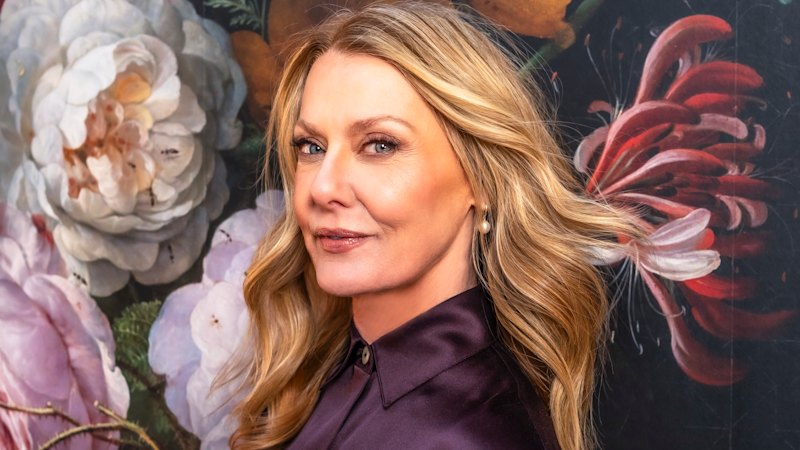
Sex and relationship therapist Aleks Trkulja says that her definition of a one-night stand doesn’t necessarily involve alcohol. Instead, she describes them as a “fleeting” casual form of sex that lasts one night.
The Sydney-based Millennial admits she’s had “so many” one-night stands, which she always felt empowered by, as club hook-up culture was ingrained into her experience growing up as a young adult.
Trkulja says the topic rarely comes up among her younger clients, although she acknowledges that she sees only a select sample of the generation. “I don’t know what the rest are doing, but I feel like it’s culturally not a normalised part of their dating.”
Is Gen Z really missing out?
While the idea of a no-strings-attached tryst is appealing to some, it’s a nightmare for others.
“You do you, boo,” says Trkulja. “If you want to have casual sex – and it’s a one-night stand with someone you find super-hot and sexy – then, by all means.”
She says one positive of a one-night stand is the novelty of the experience. Another is the fast-paced vulnerability.
“You move pretty quickly into sex, so if you’re having a really nice time, it can be nice to deep-dive into that vulnerability together. Especially when it is a mutually respectful experience.”
However, one concern Trkulja has when it comes to casual sex is the pleasure gap.
“My only real feelings around one-night stands are around the stark inequity when it comes to pleasure and orgasm for most people.”
They can also enable risky sex behaviours, such as not using protection.
“People becoming more susceptible to people-pleasing, especially women in heterosexual dynamics, and to me, that’s a pretty big downside,” says Trkulja. “Because people are less familiar with each other, they’re less likely to advocate for sexual health boundaries, including safer sex practices.”
Results of the Australian Survey of Secondary Students and Sexual Health found that only half of sexually active teens are using a condom – a record low since 1992. This has led to a rise in syphilis and high rate of chlamydia among young people.
Christine Rafe, Lovehoney’s Australian sex and relationship expert, says one-night stands aren’t inherently good or bad but must be shaped by communication, consent and mutual respect.
“Potential downsides tend to come from mismatched expectations, alcohol affecting consent and decision-making, or neglecting the fundamentals of safer sex.”
Why isn’t Gen Z being casual about casual sex?
Rafe suggests the narrative around Gen Z having less sex misses the mark.
“It’s not necessarily that they’re less interested in sex, but they’re being more intentional about their sexual choices. What I believe has shifted for many younger folks is the meanings and motivations for sex, as well as the increased awareness around consent and especially coercion.”
She also raises the practical realities: fewer late-night venues and clubs and young people living at home for longer to grapple with the cost of living.
According to the Lovehoney study, 41 per cent of people who live at home say it negatively affects their love life and 77 per cent say they would not bring home a one-night stand if they lived with their parents.
Rafe’s theory? Casual sex isn’t disappearing but evolving.
“People are being more considered when a casual encounter is actually what they want, and that’s a sign of a more thoughtful relationship with sex, not a more fearful one.”
How to approach a one-night stand?
According to Trkulja, the key to a safe and pleasurable one-night stand is communication.
“I ask my clients, how can you increase your sense of safety? Before any overt sexual interaction is happening, communication is your best tool. So set your boundaries early, ask certain questions, almost like a bit of a vetting system.”
Trkulja explicitly asks potential sexual partners when they had their last STI screening, what barrier methods they want to use and if there’s anything else to know about their sexual health.
“By setting your boundaries early, you aren’t in a vulnerable position … I often say to people, ‘If you don’t think you can do that, maybe a one-night stand isn’t the most pleasurable option for you and that’s OK’.”
Make the most of your health, relationships, fitness and nutrition with our Live Well newsletter. Get it in your inbox every Monday.
 Abby Seaman is a digital producer and lifestyle writer at The Sydney Morning HeraldConnect via email.