

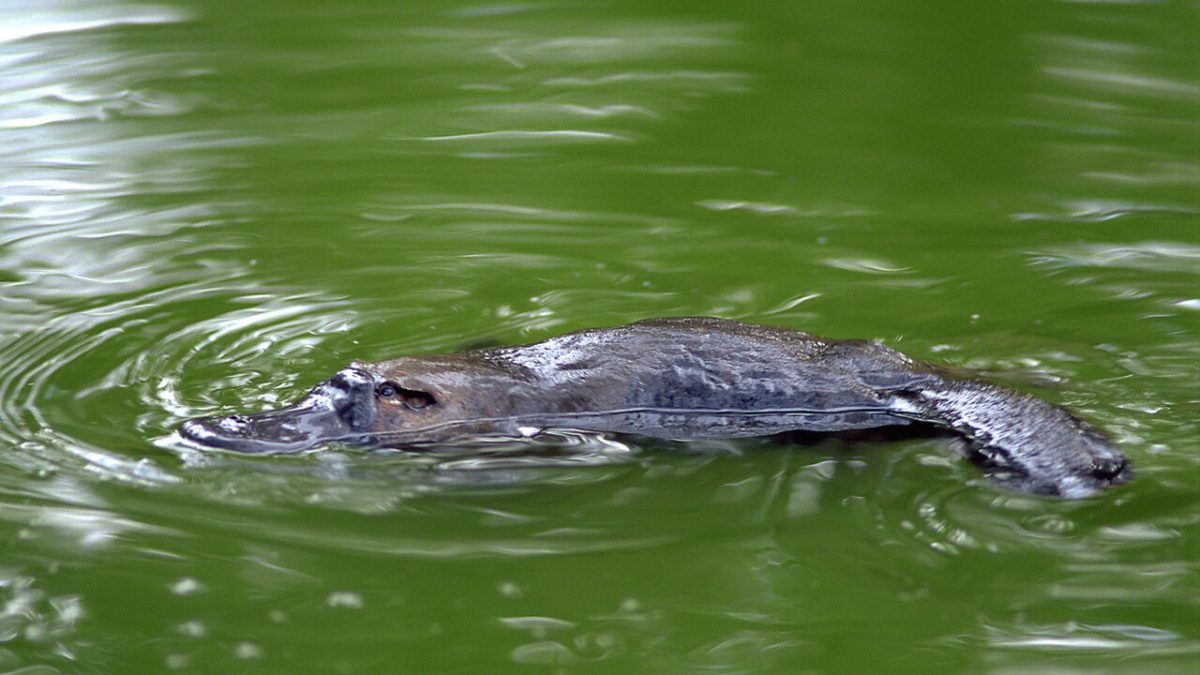
There isn’t much for the platypus to eat in Lake Burley Griffin, says Waterwatch’s Daniel Harris-Pascal. Photo: ACT Government.
A very special visitor has made a home in Lake Burley Griffin, but experts say its rare presence isn’t unusual.
Canberra content creator Daniel Morton Jones (also known as themortz) shared the video on Instagram this week.
In the post, he said the video had been sent to him and showed a platypus taking a dip in Lake Burley Griffin.
“It’s amazing some of the things you can spot in our little city,” he wrote in the caption.
“All you have to do is stop and take a moment to have a look and sure enough you’ll spot some pretty amazing local wildlife.”
So why did this particular platypus find its way into the lake and how?
Upper Murrumbidgee Waterwatch citizen science facilitator Daniel Harris-Pascal says it’s not the first time one has taken a holiday there.
“We’ve definitely seen it before,” he tells Region.
Waterwatch data reveals that, just in the last five years, at least 20 people have seen platypuses in Lake Burley Griffin.
This year’s Platypus Month surveys found 37 platypuses making their homes across the region.
Mr Harris-Pascal reckons that one male platypus might have “turfed” another one out of a territory.
After all, this time of year is when the platypus breed, meaning competition could have been fierce.
“They can end up in less ideal places to live,” he said of that scenario.
“We will sometimes find them in local wetlands or people’s backyard pools, stormwater drains – places that they won’t persist, but that they’re just trying to have a crack at getting established and finding enough to eat.”
He says that while it’s not a common sight, he’s not expecting the platypus to stay there for too long, pointing to the cement edge of the lake.
“Platypuses don’t tend to live long-term [periods] in Lake Burley Griffin and partly that’s because there probably aren’t enough good-quality water bugs to sustain them.
“But also, it’s not a site that’s got very good spots for platypus habitat, in terms of things like natural riverbanks and good vegetation.”
For Mr Harris-Pascal, the sighting shows the importance of keeping our waterways clean.
“I think people have this vision that platypuses are going to only be living in the pristine waters of Namadgi or Tidbinbilla.
“The reality is that platypuses are a very urban creature. They can persist in urban waterways if they’re good quality enough.”
He encourages people to keep stormwater as clean as possible, such as by picking up their dog’s waste and “O-shaped litter” (things like milk bottles and rubber bands that a platypus can get caught in).
“When it rains, that stormwater picks up all the pollutants and takes them down into the creeks untreated, which impacts our platypus,” he says.
The need to keep the environment clean is echoed by WIRES.
A spokesperson told Region that heavy rainfall could wash a platypus away from their normal territory.
“[It] is feasible that platypuses could access the lake in search of food if the species has already been identified as being present in any of these waterways,” the spokesperson said.
If you find a platypus and are concerned you can let WIRES know by calling 1300 904 737 or by completing an online form.


