
You have reached your maximum number of saved items.
Remove items from your saved list to add more.
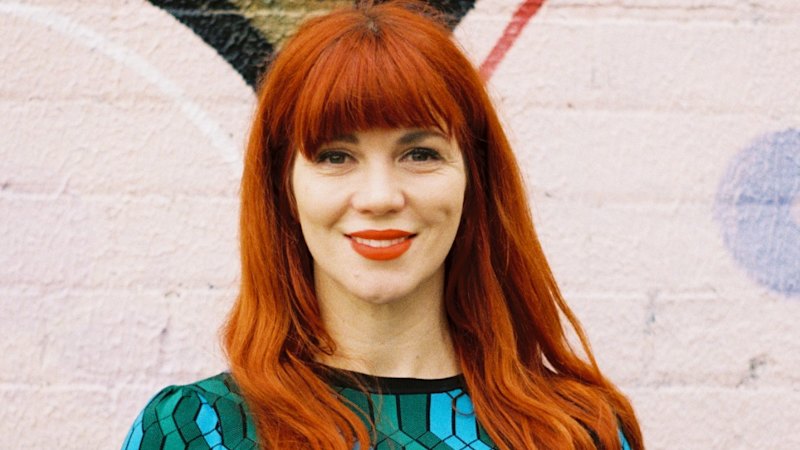
Like many Millennials, Larissa Chadwick’s introduction to the world of romantasy was by way of the Twilight series in high school.
“I absolutely fell in love. I read them all in one week, and prior to that, I read absolutely nothing unless it was what we had to read for school,” says the 30-year-old from south Sydney.
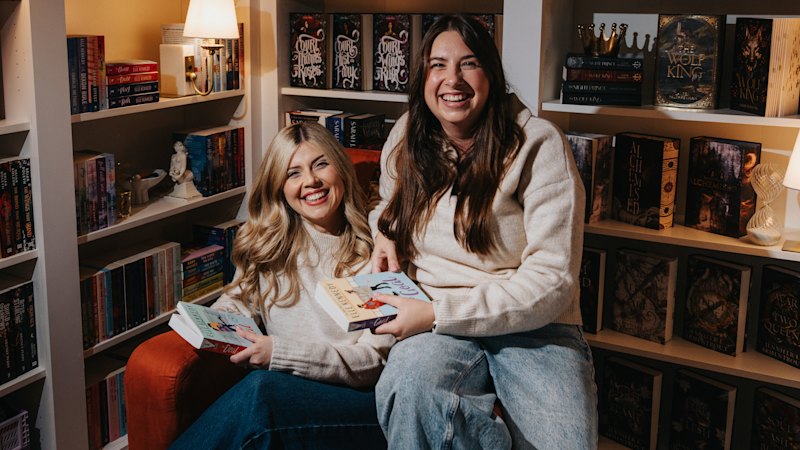
Last year, Chadwick, who runs an Instagram – or “Bookstagram” – account dedicated to romance fiction, started a book club out of a desire to connect with other fans of the genre, who could also keep up with her voracious reading appetite (Chadwick reads up to 10 to 12 books a month).
The group, made entirely of other “bookstagrammers” aged 20 to 30, meet monthly to discuss the intricate worlds concocted by authors such as Sarah J. Maas (A Court of Thorns and Roses), Elle Kennedy (Love Song) and Elsie Silver (Chestnut Springs).
“It’s that escapism of going to another world, and I think it’s also a way to address lots of kind of political and real-world issues, but in a context of make-believe,” says Chadwick.
These books – some set in fantasy lands, others not – are also an escape from the perils of pursuing romance as a woman in 2026.
“We have lots of people [in the club] that are married or single, and it’s just so interesting how easily we compare our book boyfriends to the real-world dating scene,” says Chadwick, who is happily married.
“A book boyfriend will do absolutely anything for you and cherish the ground you walk on, but in real life, it’s hard to get a text back, as some of the girls would say.”
The genre, dominated by women authors, “highlight[s] what women are really looking for”, she says.
In other words: commitment, companionship and the chance to believe that chivalry might not be dead after all.
Chadwick thinks one of the biggest things people get wrong about romance fiction is that they’re “just full of smut”.
“It’s actually a whole world they’ve built. It’s got different magical systems, languages, things like that,” she says.
In an otherwise stagnating publishing landscape, romance fiction is booming – driven by young women and social media communities such as #BookTok (a global, online community of readers on TikTok).
Couple this with growing demand for offline connection and romance book clubs are popping up all around the world.
“These are strangers I’ve met on the internet, and now we’ve met everyone’s husbands and seen a few dating cycles. We’ve got these really beautiful, genuine relationships,” says Chadwick.
Dr Jodi McAlister, a romance author and academic, agrees the genre is booming but points out “romance fiction has always been popular. Even when it was shunted into the back of bookstores and no one was really talking about it, lots of people were still reading it.”
She puts the current boom down to growing visibility for the genre spurred by the rise of BookTok during the pandemic, popular feminism and people shrugging off the label of “guilty pleasure”.
Melbourne-based sex columnist and podcaster Laura Roscioli started her own reading group – aptly titled “(sexy) book club” this year.
“The idea initially was like Eyes Wide Shut, but a book club,” she says.
But while thematically, the club might read “sexy books”, Roscioli emphasises it isn’t about romance fiction.
“There’s a group of women who really want to read erotica, basically, like smut. But the kinds of books [we’re reading], they’re more inviting political discussions about sex and sexuality,” she says.
Their most recent read was Big Swiss, Jen Beagin’s 2023 novel about a transcriber working for a sex therapist who becomes fascinated by a 28-year-old gynaecologist who has never had an orgasm.
Other previous reads include The Sexual Life of Catherine M., a 2001 memoir by French art critic Catherine Millet that novelist Edmund White called “the most explicit book about sex ever written by a woman”.
For Roscioli, a writer who spends a lot of time thinking and writing about sex and relationships, the club is a way for her to parse these ideas with new people.
“I feel like all of my thought bubbles and trend-based knowledge always comes from a digital platform – TikTok, Instagram, whatever. And I was like, ‘I want to build a space where people are learning new things, offline’.”
Roscioli’s first event, in January at her house, attracted around 25 women. But after sharing the experience on Instagram, interest quickly snowballed. The club’s May edition attracted dozens more readers, while she has 200 people in a WhatsApp group and a 300-person-strong waiting list.
Most members are aged 23 to 35, and all are women or woman-identifying, save for Roscioli’s best friend Christian, a gay man who serves cocktails topless.
She says some attendees are sex workers who might not feel comfortable talking about their work with friends and family.
“The reason why people are there, mostly, is because they feel like in their lives with family and friends and maybe even partner, they don’t have the language or level of comfort to talk about these kinds of things,” she says.
“Especially women, I think are really sick of not feeling clued into what’s happening in the world and within their own bodies.”
“For so long, women’s sexuality and pleasure has been diminished in mainstream places and we’ve come to a point in society where women are starting to be like, ‘no, I really want to understand what it is that I like, and I want to understand why maybe I’m not happy in this relationship, or why I haven’t orgasmed’.”
Roscioli is working out how to expand the event to cater for growing demand and plans to hold events interstate. For now, she’s excited about the community of like-minded readers she’s built.
“It’s my dream. It’s like being in a really smart, well-considered English literature class.”
Make the most of your health, relationships, fitness and nutrition with our Live Well newsletter. Get it in your inbox every Monday.
You have reached your maximum number of saved items.
Remove items from your saved list to add more.