


The Hyundai IONIQ 5 N EV plugged in to charge at a service station in Goulburn. Photo: James Coleman.
An audit of electric vehicle chargers along Australia’s busiest highway has found most are working as intended – as EV sales surge to record highs and the Tesla Model Y becomes the country’s best-selling car for the first time.
The Australian Electric Vehicle Association (AEVA) awarded the Hume Highway charging network a “B+” after volunteers inspected chargers between Sydney and Melbourne ahead of the June long weekend.
Teams checked 221 charging plugs across 45 locations, looking at everything from charging speeds and reliability to ease of use and whether charging apps were providing accurate information.
The results were largely positive.
Of the 195 CCS2 plugs – the charging standard used by most modern EVs – only 12 were out of service, an outage rate of about six per cent. Every charging site still had at least one working charger available.
AEVA national president James Pickering said that was the audit’s most important finding.
“The most important finding from our audit was that the outage rate for CCS2 plugs was acceptably low and that every charging site had working plugs, even if one or two were unavailable at the time of the audit,” he said.
“AEVA considers this to be a satisfactory result ahead of the June long weekend.”
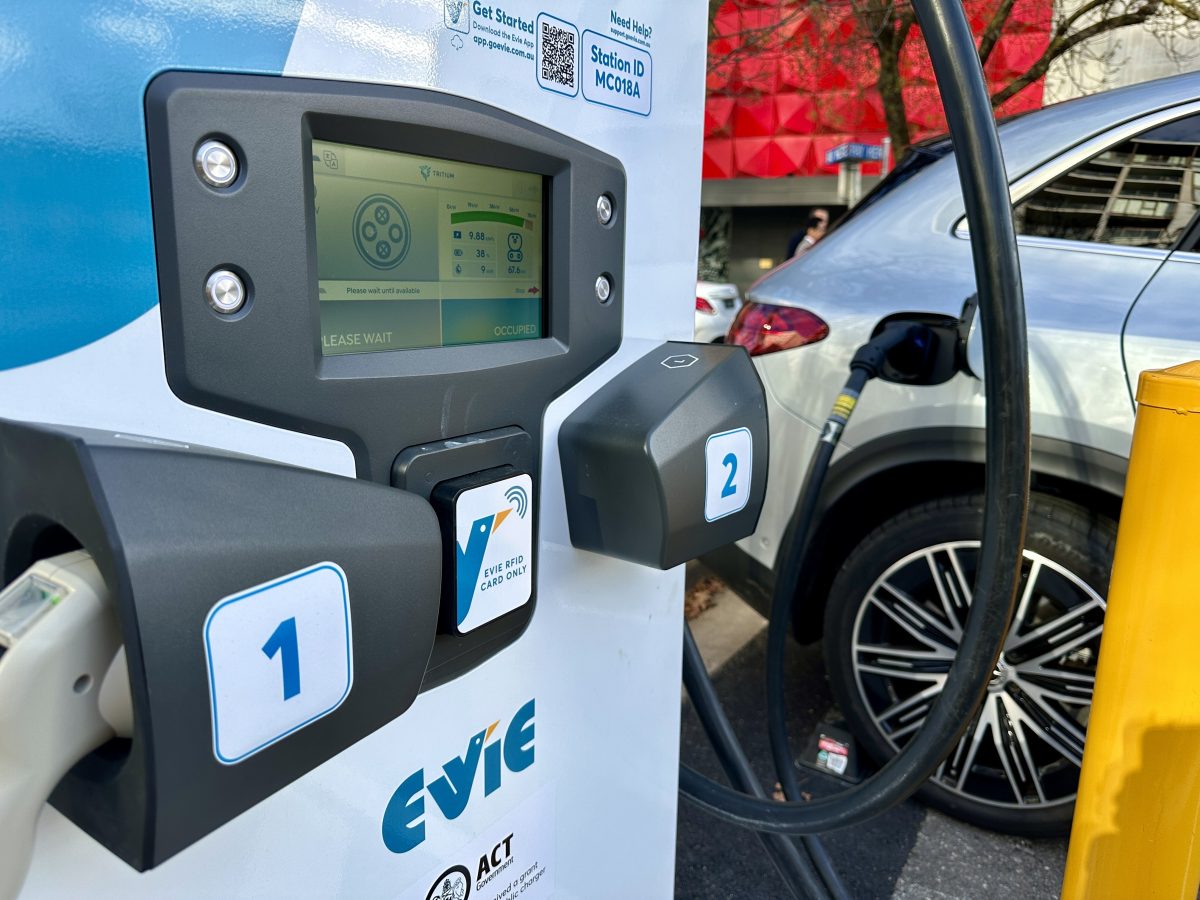
EV chargers are increasingly allowing card payment, instead of app-only. Photo: James Coleman.
Only one charging location had a short queue of vehicles during the audit.
Mr Pickering said while some congestion had been seen during the Easter break, long waits for a charger remained relatively uncommon.
“You can certainly see situations where there was a surge of people,” he said.
“Even the petrol stations, for example, you do sometimes see large amounts of people on the road for an event.”
The audit did identify a few frustrations for drivers.
Several chargers had display screens that were difficult to read in bright sunlight or had stopped working altogether. While seasoned EV owners could usually work around those issues, AEVA said they could make charging more difficult for newcomers.
The organisation also found some chargers remained unnecessarily complicated to use, particularly because different charging networks use different systems and interfaces.
One positive trend was the growing number of chargers equipped with credit card readers, instead of the more common in-app payment.
AEVA said that was making public charging more familiar and convenient for drivers accustomed to simply tapping a card to pay for petrol.
The audit comes as EVs enjoy their strongest sales growth yet in Australia.
According to figures released this week, Australians bought 21,303 electric vehicles in May – up 111.6 per cent on the same month last year. EVs accounted for a record 19.9 per cent of all new vehicle sales.
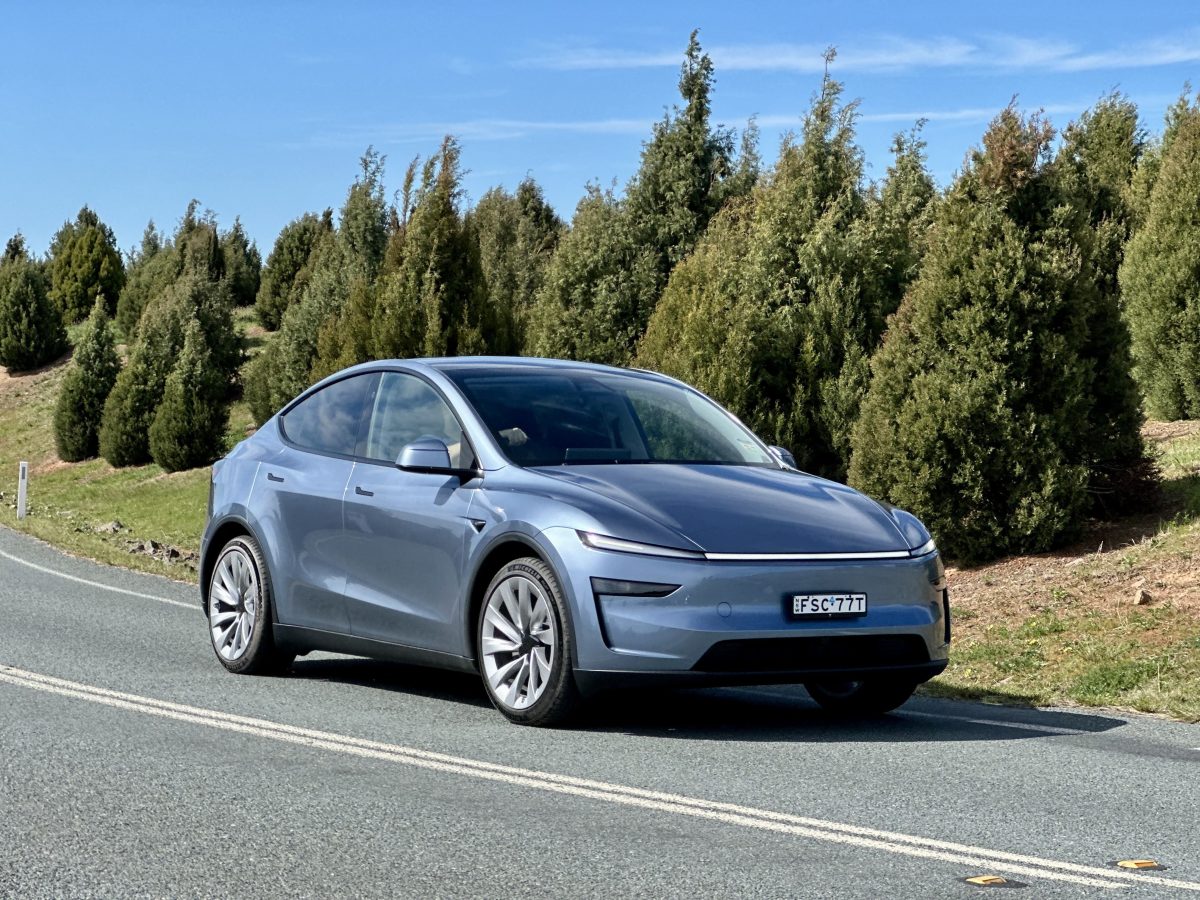
The Tesla Model Y was the best-selling car outright in May 2026. Photo: James Coleman.
The biggest milestone came from Tesla, whose Model Y became Australia’s best-selling vehicle outright in May – the first time an electric vehicle has claimed the top spot.
The surge in EV ownership is expected to place increasing pressure on charging infrastructure, particularly on major intercity routes such as the Hume Highway.
Mr Pickering said the charging network had already expanded significantly in recent years and expected that growth to continue.
“We’ve seen an increase in the number of sites and I think there’s just a continuing growth that we’ll see there,” he said.
“The Hume Highway is the busiest highway in Australia and EV charging on this route needs to be top notch if we are to cater for the expected growth in EV numbers this year.”


