On the day of the stroke that ended his life, my uncle walked 8000 steps. He was 96.
The app on his phone recorded this trek, not that it surprised his nine children, 19 grandchildren (and nor will it his three great-grandchildren when they’re old enough). Well into his 90s, Dr John Egan had regularly walked to Manly from his flat in Mosman, or to St Patrick’s in the CBD, just to attend Mass. In the past few years, he settled for the relative amble to Mass at his local, Mosman’s Sacred Heart Church, and that daily pilgrimage accounted for most of his last 8000 steps.
We farewelled John Egan at Sacred Heart on Thursday. At the funeral service, they played a video of him pounding away on a cross-trainer at Balmoral Beach, the day before his stroke.
Sloths among us might say it was all the exercise that finished him. I’d say we should all stride towards such a kind exit. John Egan certainly earned it, as his daughters Meg and Fiona detailed in the eulogy.
Born in 1929, a Great Depression baby, John would come to recall that the last thing his parents could afford was a third child. Big sisters Patsy and Margaret, my mother, doted on him. John was educated at no fewer than 10 schools as their father, Charles, a doctor, moved into psychiatry and from job to job as the superintendent of institutions they called asylums, and these became home to his kids: Callan Park, Gladesville, Rydalmere, Morisset, Newcastle and Bloomfield in Orange. During the war, in 1943, Charles uplifted the family yet again, to Hay, where he ran the internment camp and befriended many of its inmates, mostly Italian, German and Japanese immigrants who were arbitrarily deemed “enemy aliens”.
In his late teens, John adventured north to visit his great-aunts in Tenterfield, where his grandfather, Dan Egan, had been the saddler before selling the business to Peter Allen’s grandfather, George Woolnough. John recalled sitting on the saddlery’s veranda and yarning to George.
The war over, John, at 17, was on The Hill at the SCG for the 1946-47 Ashes, where he witnessed Don Bradman make 234 runs. The greater impression on young John, however, was the stand of Bradman’s batting partner, Sid Barnes, who, upon on matching those 234 runs, promptly forced his own dismissal. It would have been disrespectful to outscore The Don.
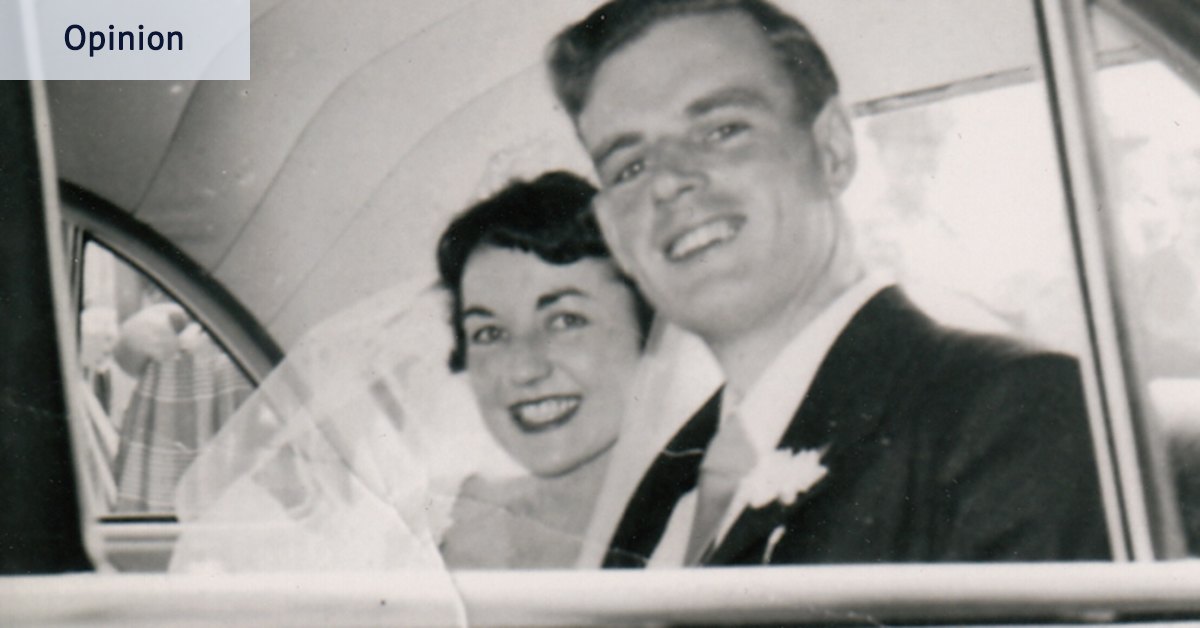
Feats of such towering humility would adorn John Egan’s life. He followed his father into medicine. While a resident at Sydney’s St Vincent’s Hospital, he met a cardiac nurse called Rhona Hart. John loved her, and he loved a pun. He boasted, years later, that he performed St Vincent’s first Hart transplant. They married and, with the first of their nine children, twin boys, they moved to Moree, where John established a general practice.
He was 27. It was 1957, and he was appalled to discover the brutality of segregation. Aboriginal patients, refused entry to the local hospital, were treated on its veranda. John and his practice partner, John Campion, campaigned – successfully – to end that injustice. John lobbied for the inclusion of Aboriginal kids at the local Catholic school. And he worked with the nuns and bishop to set up a clinic on the local Aboriginal mission, where consultations were free of charge. Once a fortnight, he drove 130 kilometres with a priest and two nuns to provide free medical and social services to another Aboriginal mission at remote Toomelah.
In the late 1970s, an Aboriginal tracker returned to Moree and was sorry to learn that the doctor who’d saved his life had left town for Sydney. So the tracker jumped on a train to Central, where he asked the station manager where he could find the best doctors. Directed to Macquarie Street, he thought Parliament House looked like a hospital. At the gate, a helpful guard found a Dr Egan in the phone book and called the number. John Egan answered. He suggested the tracker take a ferry to Manly. Rhona Egan collected him at the wharf and drove him to her husband’s practice in Harbord.
Rhona suffered a stroke in 2016. Her death did not come so swiftly or mercifully as John’s. He spent the next six years at her bedside at her nursing home in Mosman, to which he walked, daily, of course. On his own final day, as daughter Meg observed, he was surrounded by the great loves of his life: “family, faith and medicine”.
This reminded me of a challenging phone call I had with John just a few years ago. I’m a long-lapsed Catholic. He confronted me about it.
“So,” he said, “you’re one of those nihilists?”
“Not at all,” I replied. “I’m a humanist. I have faith in our better angels.”
If you’re listening, John Egan, I hope you were reassured by that answer. You were among the best of our better angels.
Rick Feneley is deputy opinion editor at The Sydney Morning Herald.
 Rick Feneley is a journalist with The Sydney Morning Herald. He was the paper’s long-term night editor and an editor of The Sun-Herald. He is currently the Herald’s deputy opinion editor.Connect via email.