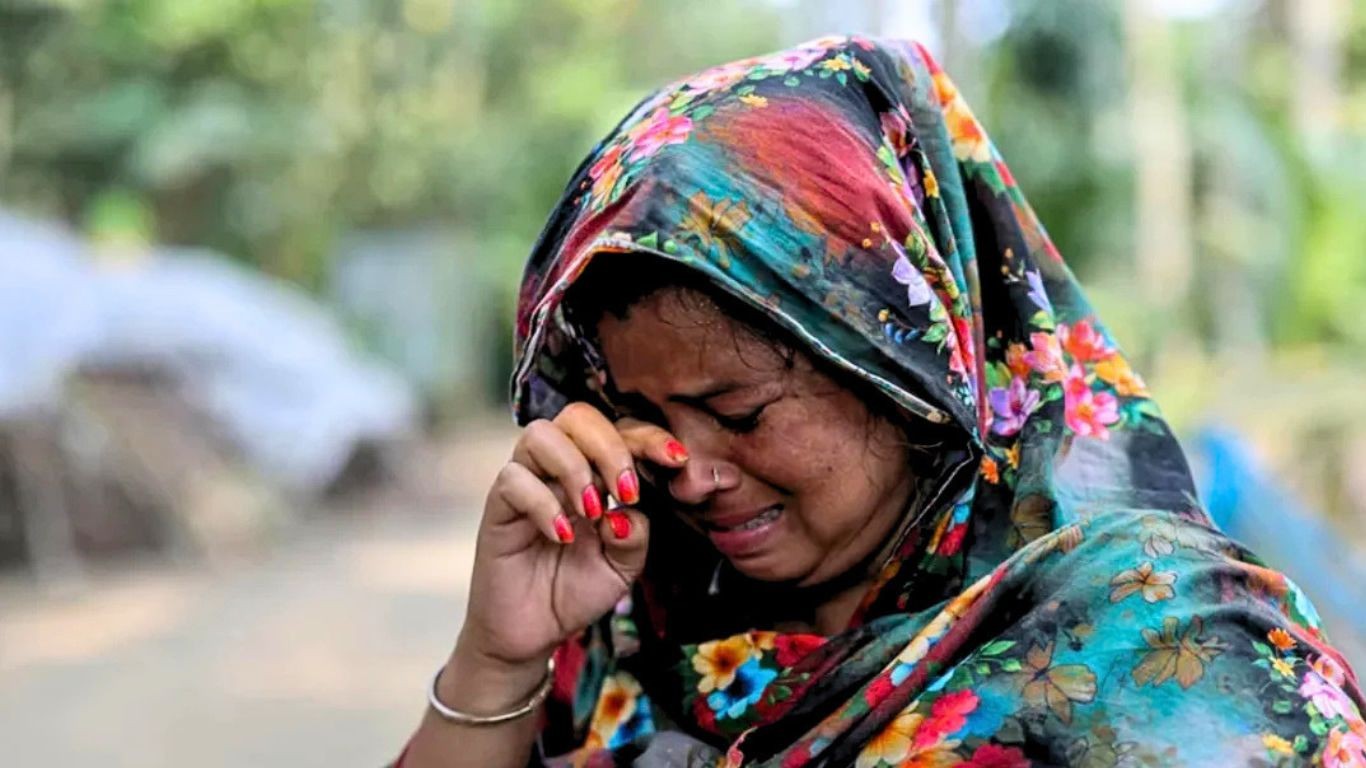


A dangerous person doesn’t always give themself away with physical violence from the start. Photo: Moyo Studio.
A string of high-profile court cases has once again thrust an uncomfortable private question into the public arena: where is the line between an ordinary, bad-tempered partner and someone who poses a genuine danger?
Coercive dynamics cut across every demographic, hiding just as easily behind wealth, professional success and curated social media feeds. In hindsight, the warning signs often seem obvious, leaving victim-survivors wondering how they missed them. But behind closed doors, long before police or lawyers become involved, that line is rarely drawn in sharp ink.
DDCS Lawyers partner Emily Tighe, an accredited family law specialist, says that for those living through it, recognising when volatile moods cross into risky behaviour isn’t always marked by an obvious tipping point.
“It often starts in a way that’s not instantly recognisable,” she says. “It can be subtle pressure to drop friendships or contact with family or even silent signs that it’s not permissible to be around other people. It can mean reining in financial freedoms. Those ‘day-to-day’ things in a relationship just become trickier, or perhaps a bit more sinister.”
One of the most telling yet commonly overlooked warning signs is your own fear.
“Relationships all have ups and downs; people have arguments. That doesn’t necessarily signal abuse,” Ms Tighe says. “But where one person becomes frightened of someone else’s reaction or routinely modifies their own behaviour to avoid a dispute, that could be a sign to take a closer look.
“Are you thinking things like, ‘I won’t even ask about that, because I’m worried how they’ll take it’ or ‘I’ll just do this thing I don’t want to do to avoid that person’s bad reaction’?”
Silent self-policing can often mask a steady slide from ”ordinary” relationship friction into deliberate control.
“Where couples’ arguments result in the use of anger, threats, intimidation, insults or degradation, and there’s no ability to have a heated argument while retaining autonomy, that’s crossing into the territory of violence,” Ms Tighe says.

Emily Tighe of DDCS Lawyers says while all couples might argue, if you’re modifying your behaviour out of fear of your partner’s reaction, it might be a red flag. Photo: DDCS Lawyers.
Viewed in isolation, each incident is easy to excuse as an unusually bad day. Waiting for a single, defining crisis to justify leaving often keeps people trapped, convincing themselves their circumstances aren’t “bad enough” to warrant help.
But Ms Tighe firmly pushes back on the idea of waiting for a clear threshold, pointing instead to the cumulative toll of repetitive acts being what current legal reforms seek to capture.
“Case law often talks about the kind of evidence we need, and that’s evidence of a pattern of ongoing, coercive, controlling behaviour linked to how that diminishes someone else’s self-worth and autonomy to do what they want — anything from banking to shopping, socialising to working,” Ms Tighe says.
“In the family law world in particular, it’s about painting that picture of the pattern and linking it to the impact it’s had on them.”
This pattern establishment is precisely what modern legal reforms are looking to address. The ACT is already targeting patterns of non-physical abuse and controlling behaviour under the proposed Crimes (Coercive Control) Amendment Bill 2026.
Yet legislation alone cannot solve the problem. Part of the problem, Ms Tighe points out, is that even when someone recognises the need to leave, the fear of the legal road ahead can feel immobilising.
“People coming to us are looking ahead at what can often be a long, awful process of legal separations, custody disputes and unravelling a shared life,” she says. “Often the first thing a person needs to do is create some distance, whether that’s physical separation or ending the relationship and feeling safe again — with or without intervention from a court or other services.”
Ultimately, shifting Australia’s track record on domestic violence requires a broader cultural shift. That means education not only for victims, but friends, family, professionals and the community at large.
“If you’re a person on the outside looking in at something that doesn’t feel right, if it’s safe to do so, you can tell a person, ‘That’s not normal — you don’t have to put up with that’,” Ms Tighe says. “It could be all a person needs to hear.”
If you are experiencing domestic, family or sexual violence, or someone you know is, contact 1800RESPECT on 1800 737 732, text 0458 737 732, or visit 1800respect.org.au. In an emergency, call triple zero.
For more information, visit DDCS Lawyers.